


From €243
< Back to show details
I Capuleti e i Montecchi - Bellini

Wiener Staatsoper - Wien

Select the date of the show

Loading available dates...

Please specify your seating requests regarding your ticket booking (OPTIONAL).
(100 char. max)

Seating

Music & Opera books the best available seats. The exact location of your seats will be confirmed via email. Only adjacent seats can be booked. More information

ANY QUESTIONS ?

Contact us by tel: +33 1 53 59 39 29 – or by Email.) See Help & FAQ page

TICKET DELIVERY INFORMATION

Your E-tickets to be printed will be sent by mail.

Price

Music & Opera ticket prices differ from the ticket face value, as they also include all service fees and taxes.

The Club Music & Opera

Le Club Music & Opera
Join the Club to benefit from special offers. Already Member of the Club, Login !
I Capuleti e i Montecchi - Bellini

Bellini I Capuleti e i Montecchi

From 11 June TO 29 June 2027
Opening date: 01 April 2027
Wiener Staatsoper - Wien
From 243 €
Prices & Dates
Program

Bellini : I Capuleti e i Montecchi

Cast
  • Conductor
    Gianluca Capuano
  • Director
    Tatjana Gürbaca
  • Performers
    Giulietta: Lisette Oropesa
    Romeo: Emily D'Angelo
    Tebaldo: Iván Ayón Rivas
    Lorenzo: Marko Mimica
    Capellio: Matheus França
  • Venue Info
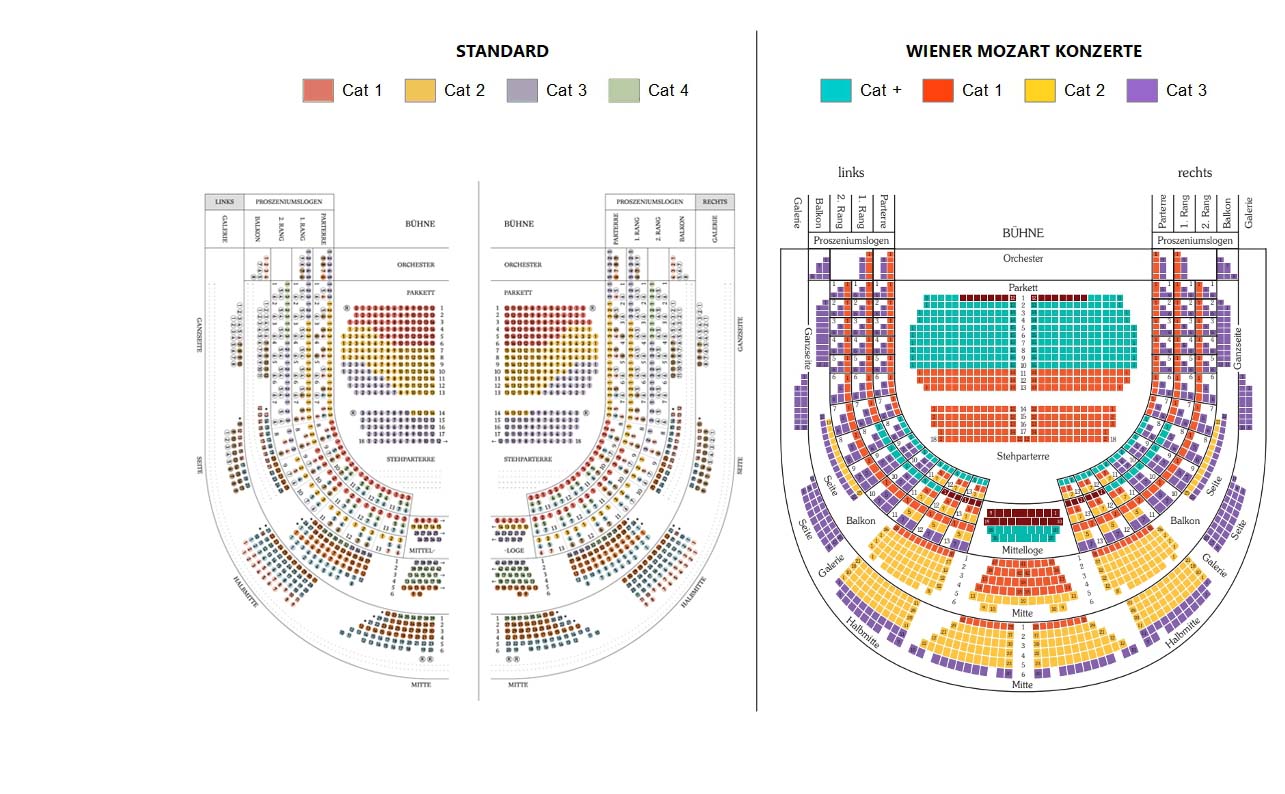
  • Seating Plan
  • Synopsis

Wiener Staatsoper - Wien LocationOpernring 2 - 1010 Wien Autriche

  • Venue's Capacity: 1709

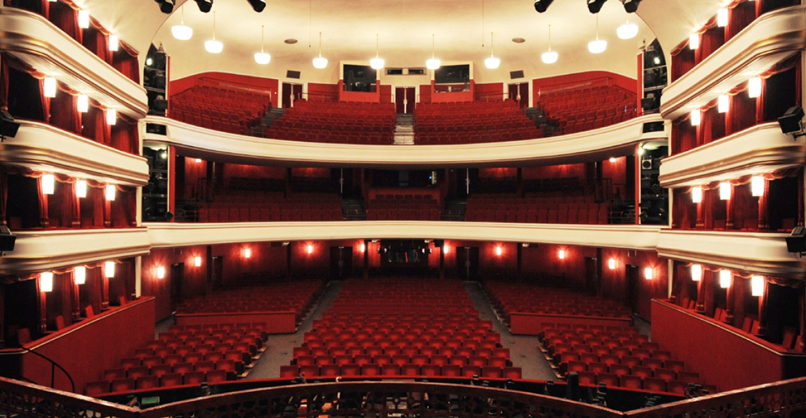
The Vienna State Opéra is much more than just a local institution; it is a vital part of the city's identity and a national landmark.

As of the 17th century, the Hapsburgs lavishly patronized the opéra. Family members Ferdinand III and Leopold I composed for the théâtre, while Charles VI tried his hand at conducting the orchestra, and the Empress Maria-Theresa often mingled with the corps de ballet.

During the 19th century, the Karntnerthor-Theater was demolished and the présent building was constructed on the famous " Ring ". It was here that Mahler, with the help of the set designer Alfred RoUer, imposed a new style of performance, based on audacious stagings and a very précise interprétation ofthe score, which demanded countless rehearsals.

After the fall of the Hapsburgs, Richard Strauss took over the reins of the newly baptized Vienna State Opéra. Curiously enough, only one of Strauss'operas, THE WOMAH WITHOUT A SHADOW, was premiered in Vienna. Clemens Krauss and Karl Bôhm were to follow in his footsteps. Under Bôhm's direction, the Opera created its own Company, which was to serve as a model for several générations. Even the bombs that destroyed the opéra house in 1945 could not prevent singer s such as Elisabeth Schwarzkopf, Irmgard Seefried, Sena Jurinac or Erich Kunz from becoming legendary.

One musn't think that the Viennese applaud only their homegrown stars. In 1955, when Maria Callas came to sing LUCIA DI LAMMERMOOR in the reconstructed building with Karajan conducting, the public blocked traffic to pay tribute to the diva... in the street! Karajan succeeàed Karl Bôhm, and invited many international stars to corne sing on the Viennese stage. Works were henceforth sung in their language of origin, and coproductions with La Scala permitted the disco-very of voices such as that of Mirella Freni in LA BOHEME.

Ioan Holender has suceeded in deftly combining these international distributions with an ensemble System. He has scheduled many works never heard on the Viennese stage, which are now included in the Opera's répertoire, such as Verdi's JERUSALEM and Enesco's OEDIPE, furthering a policy instated under Claudio Abbado's brilliant direction. Whatever changes may now occur, the Opera will continue to stage at least 300 performances per season (an absolute world record ren-dered feasible thanks to the în-house technical crew, which hires no less than 250 people), and the public will continue to applaud the finest orchestra any amateur could wish for in the pit : the Vienna Philharmonie !

Wiener Staatsoper

The seating plan is given as an indication and has no contractual value.
The division of categories may differ depending on shows and dates.

Synopsis

I Capuleti e i Montecchi

I CAPULETI E I MONTECCHI A LOVER'S TRAGEDY

I Capuleti e i Montecchi is an opera in two acts composed by Vincenzo Bellini. I Capuleti e i Montecchi is based on the story of Romeo and Juliet with the plot being similar to Shakespeare's version but based on Italian stories.

The score was composed in 1830 for a performance during Venice's spring carnival. As Bellini was only given six weeks for its composition he reworked several pieces of his previous works. The libretto was written by Felici Romani based on several earlier Italian librettos as the story of Romeo and Juliet or i Capuleti e i Montecchi was very popular in Italy. The score was written for the musical range of the opera singers who were to perform at its premiere. Some earlier performances divided the opera into four acts but recent productions have reverted to the original divisions. Since its revival in 1935 the opera has remained popular worldwide.

HISTORY

The Capuleti and Montecchi in Bellini's version are rival political factions not families, but otherwise the plot remains similar to the story, set in 13th C Verona, that we are all familiar with. Romeo and Giulietta meet and fall in love to much opposition. An attempt to deceive Giulietta's father, allowing her to be with Romeo, fails tragically and the story ends with the death of both Romeo and Giulietta.

Act 1

This act is divided into three scenes with scene one opening in the palace of Capellio, leader of the Capuleti's. He is talking with Tebaldo, Giulietta's betrothed. Romeo, although leader of the Montecchi, arrives disguised as an envoy with an offer of peace and a request for Giulietta's hand in marriage. Capellio and Tebaldo reject this offer as Romeo had accidentally killed Giulietta's brother in battle. Tebaldo has sworn to avenge this as a way of celebrating his marriage to Giulietta. Although Giulietta is ill, Capellio insists that their marriage is to take place immediately. Scene two moves to her bedroom where Giulietta is pining for Romeo. Lorenzo, her doctor and friend, enters and tells her that he has arranged a secret meeting with Romeo, who tries to persuade Giulietta to elope with him. She refuses as it would bring disgrace to her family's honour, saying she would rather die broken hearted. Scene three returns to preparations for the marriage of Giulietta and Tebaldo but Romeo enters in disguise and waits for the arrival of his soldiers who attack the Montecchi party. Romeo again pleads with Giulietta but they are discovered by her father and Tebaldo, who believe she is having a liaison with a mere envoy. Romeo reveals himself and is taken away shielded by his followers and war is declared.

Act 2

Act 2 is again broken into three scenes, opening in the palace with Giulietta awaiting news of the battle. Lorenzo is able to reassure her that Romeo is safe but that plans are being made to take her to Tebaldo's palace. He persuades her to take a sleeping draught and he will tell her father that she has died, promising her that both he and Romeo will be there when she awakes. Just before she falls into a deep sleep she begs her father's forgiveness. Capellio, however, is suspicious and arranges that Lorenzo be watched. Scene two sees Romeo waiting impatiently in the grounds for Lorenzo but instead Tebaldo arrives and they argue and fight only to be interrupted by the 'funeral' procession of Giulietta. Romeo and Tebaldo are united in remorse and sadness and decide on a suicide pact. The opera ends in the tombs of the Capuleti. Romeo opens Giulietta's coffin, says farewell to her and swallows poison; but before he dies Juliet awakes only to be told by Romeo that he is dying. Giulietta is unable to live without him and throws herself over his body to die. Capellio is blamed for this double tragedy by both the Capuleti and Montecchi factions.

MAIN ROLES

Capellio: Giulietta's father and leader of the Capuleti faction (bass).
Tebaldo: Capellio's friend and Giulietta's betrothed (tenor).
Giulietta: Capellio's daughter; in love with Romeo but betrothed to Tebaldo (soprano).
Romeo: leader of the Montecchi family; in love with Giulietta (mezzo-soprano).
Lorenzo: Giulietta's doctor and friend (bass).

Wiener Staatsoper © Michael Poehn

You may also be interested by …