

From €90
< Back to show details
Il barbiere di Siviglia - Rossini

Teatro di San Carlo - Napoli

Select the date of the show

Loading available dates...

Please specify your seating requests regarding your ticket booking (OPTIONAL).
(100 char. max)

Seating

Music & Opera books the best available seats. The exact location of your seats will be confirmed via email. Only adjacent seats can be booked. More information

ANY QUESTIONS ?

Contact us by tel: +33 1 53 59 39 29 – or by Email.) See Help & FAQ page

TICKET DELIVERY INFORMATION

You will receive by email, your E-tickets to be printed or downloaded on your mobilephone.

Price

Music & Opera ticket prices differ from the ticket face value, as they also include all service fees and taxes.

The Club Music & Opera

Le Club Music & Opera
Join the Club to benefit from special offers. Already Member of the Club, Login !
Il barbiere di Siviglia - Rossini

Rossini Il Barbiere di Siviglia

From 16 June TO 22 June 2027
Teatro di San Carlo - Napoli
From 90 €
Prices & Dates
Program

Rossini : Il Barbiere di Siviglia 160 mn

Sung in : Italian
Cast
  • Conductor
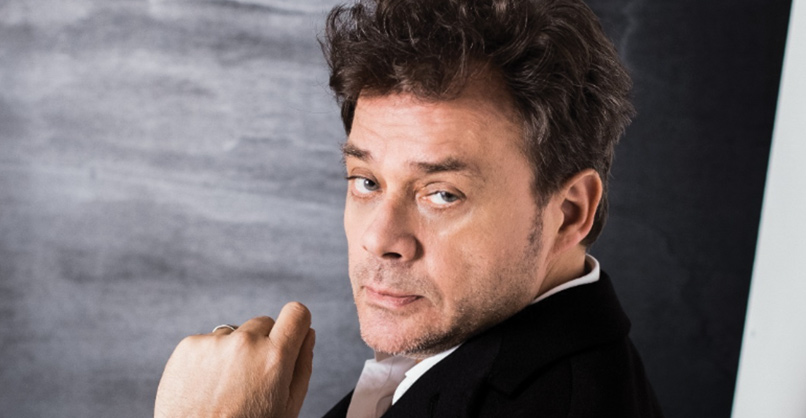
    Ottavio Dantone
  • Director
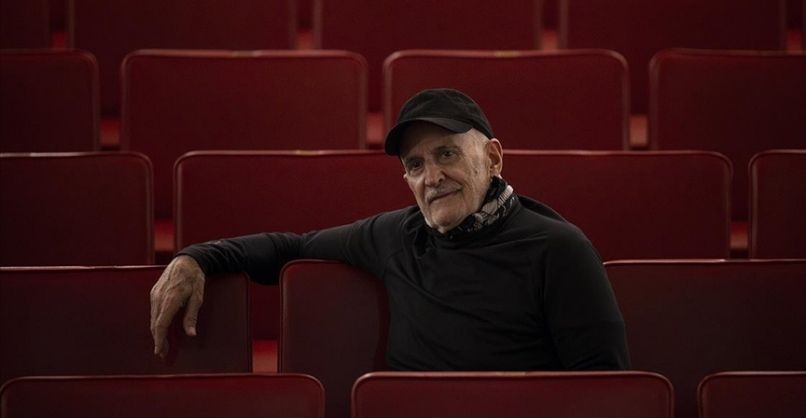
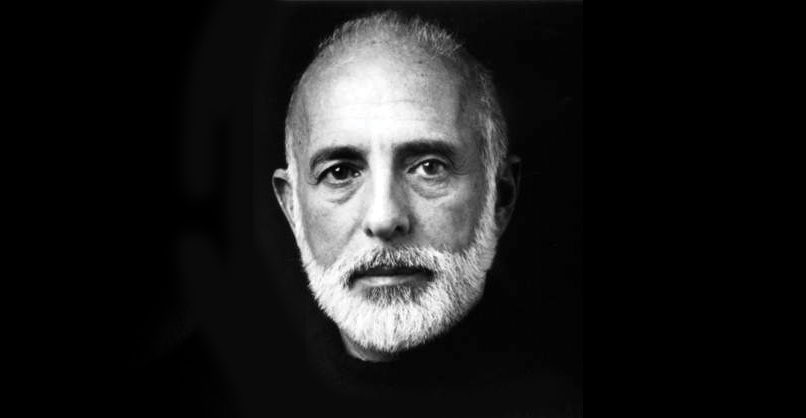
    Filippo Crivelli
  • Performers
    Figaro: Roberto de Candia
    Rosina: Chiara Amarù
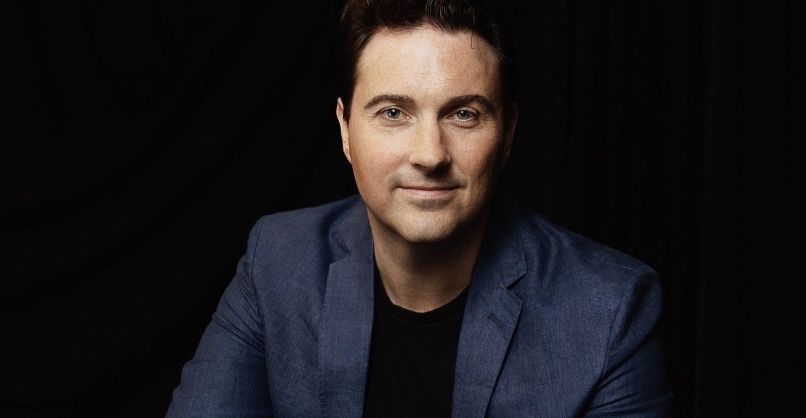
    Il Conte d’Almaviva: Maxim Mironov
    Dottore Bartolo: Paolo Bordogna
    Don Basilio: Michele Pertusi
  • Venue Info
  • Seating Plan
  • Synopsis

Teatro di San Carlo - Napoli LocationVia San Carlo, 98F - 80132 Napoli Italie

  • Venue's Capacity: 1386

The "San Carlo" is the world's oldest opera house still in activity. Right from the start, in 1737, people came from far and wide to admire the theatre's excellent 42-musician orchestra, and to applaud the castratos trained at the Naples Conservatory (like the famous Farinelli), as well as divas known by their nicknames, "la Parruchierrina," or "la Bastarella," for example. And the house in itself, with its sumptuous architecture and no less than six stories of boxes, was no minor attraction: Stendhal was enchanted by the hall's charm, and Paul Klee was fascinated by what he described as this "superb, heavy, and obscure theatre."

In 1816, fire burned down the theatre, and Ferdinand de Bourbon reconstructed an identical building with amazing speed, for Naples, robbed of its opera house, was plunged in mourning, and threatened to not support its sovereign. Let's not forget that at that time, the reign of Domenico Barbaja (nicknamed "The Prince of Impresarios" by Alexander Dumas) had already begun brilliantly. In 1815. this Milanese ex-cafe waiter, who is often credited with the invention of whipped-cream, had had the brilliant idea of hiring Gioacchino Rossini in person as the theatre's artistic director. This exceptional LUCIA DI LAMMERMOOR for the San Carlo), while launching, in 1826, a young composer called Vincenzo Bellini. The Neapolitan stage became the place where several singers' careers were made or broken; the famous French tenor Adolphe Nourrit, for example, who considered that the applause had not been sufficient, commited suicide after a performance at the San Carlo. The composer Saverio Mercadante then won the favours of the San Carlo's notorious audience, to such an extent that Verdi at first felt ill at ease in the theatre. Only to better triumph in 1872, when he organized an entire season, and had an orchestra pit added.

During the twentieth century, the stars of the Scala have sometimes overshadowed those of the San Carlo, an historic rivalry that has always existed, in a country where music lovers must choose sides. But the Neapolitan stage defends itself by ever enriching, even to this day, the world's largest repertoire of works ever premiered in an opera house, while legendary singers, such as Beniamino Gigli (who performed in the theatre from 1915 to 1953), have always remained exceptionally faithful to the San Carlo audience, which also happens to be one of the warmest anyone could imagine.
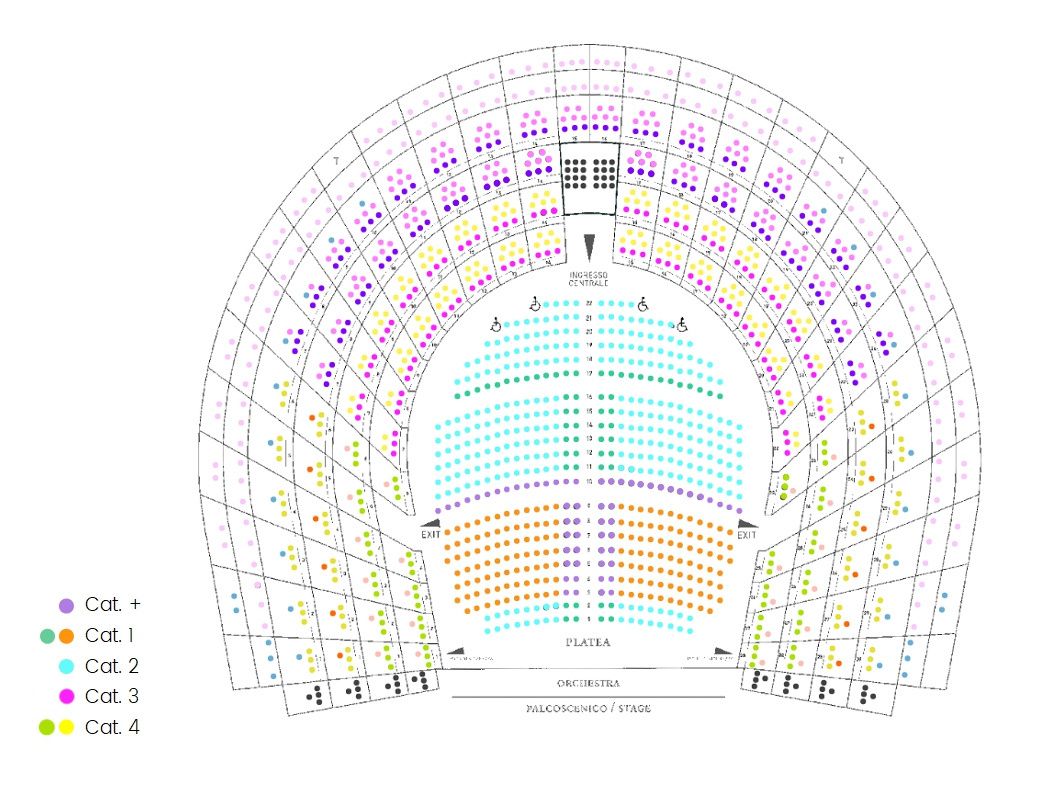

Teatro di San Carlo

The seating plan is given as an indication and has no contractual value.
The division of categories may differ depending on shows and dates.

Synopsis

Il Barbiere di Siviglia

Discover upcoming dates for Rossini's opera Il Barbiere di Siviglia (The Barber of Seville) around the world and reserve your tickets now!

THE BARBIER DE SEVILLE, A FESTIVAL OF CELEBRATED AIRES

With The Barber of Seville, the truculent Rossini offers a festival of famous arias with infectious glee. Everything swirls in this music where entertainment is the only thing that counts. The voices of this brilliant composer of bel canto are always in the limelight.

Listen to the Music & Opera playlist : 

Il barbiere di Siviglia, composed in 1816 by Rossini, is considered to be the finest example of Italian opera buffa. The libretto is inspired by Beaumarchai's play of the same name, but its social implications are more diffuse than in the French playwright's work. Chronologically, the plot precedes that of Mozart's Marriage of Figaro (Le Nozze di Figaro). To attend a performance of The Barber of Seville is to rediscover some of the best-known sung pieces in the classical repertoire, such as Basilio's aria, Figaro's cavatina and Rosina's aria.

THE STORY

In Seville, Count Almaviva is trying to seduce Rosina, the ward of Doctor Bartholo. Bartholo has designs on the young girl and keeps her locked up in his house. Figaro, nicknamed the Babier of Seville, has become the Count's valet and helps his master to win over the woman he loves.

THE PRINCIPAL CHARACTERS

  • Figaro, barber, baritone
  • Rosina, doctor Bartolo's ward, contralto
  • Count Almaviva, Rosina's lover, tenor
  • Bartolo, doctor, bass
  • Basilio, music master, bass
© Teatro di San Carlo

You may also be interested by …

Pay in 3 installments 30,00€ with interest-free. Learn more