

From €144
< Back to show details
Andrea Chénier - Giordano

Teatro dell'Opera - Roma

Select the date of the show

Loading available dates...

Please specify your seating requests regarding your ticket booking (OPTIONAL).
(100 char. max)

Seating

Music & Opera books the best available seats. The exact location of your seats will be confirmed via email. Only adjacent seats can be booked. More information

ANY QUESTIONS ?

Contact us by tel: +33 1 53 59 39 29 – or by Email.) See Help & FAQ page

TICKET DELIVERY INFORMATION

Your E-tickets to be printed will be sent by mail.

Price

Music & Opera ticket prices differ from the ticket face value, as they also include all service fees and taxes.

The Club Music & Opera

Le Club Music & Opera
Join the Club to benefit from special offers. Already Member of the Club, Login !
Andrea Chénier - Giordano

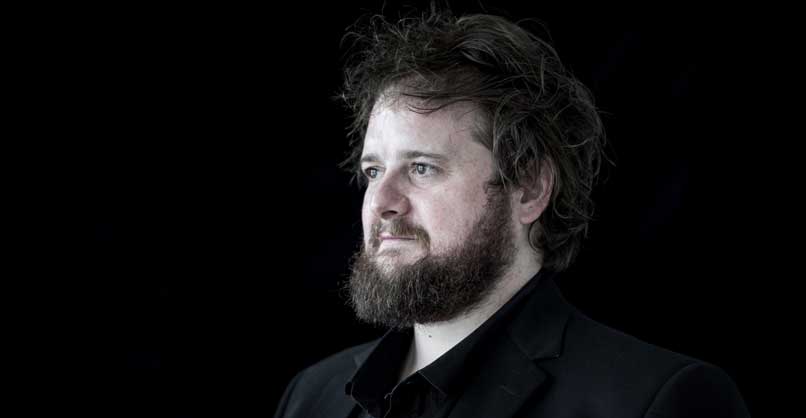
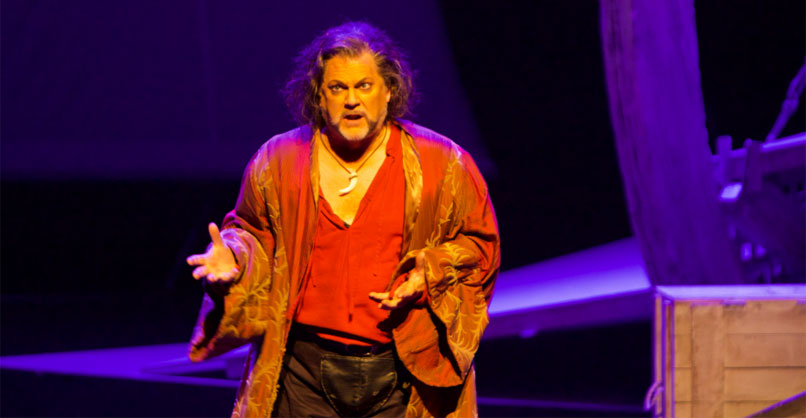
© Gregory Kunde Tenor Official Webpage

Giordano Andrea Chénier

The 20 January 2027
Opening date: 08 October 2026
Teatro dell'Opera - Roma
From 144 €
Prices & Dates
Program

Giordano : Andrea Chénier

Cast
  • Conductor
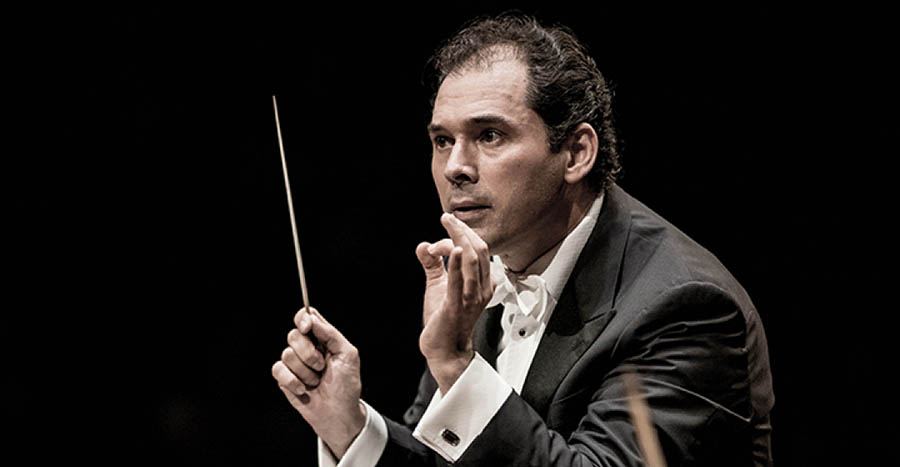
    Daniel Oren
  • Director
    Marco Bellocchio
  • Performers
    Andrea Chénier: Gregory Kunde
    Maddalena di Coigny: Sonya Yoncheva
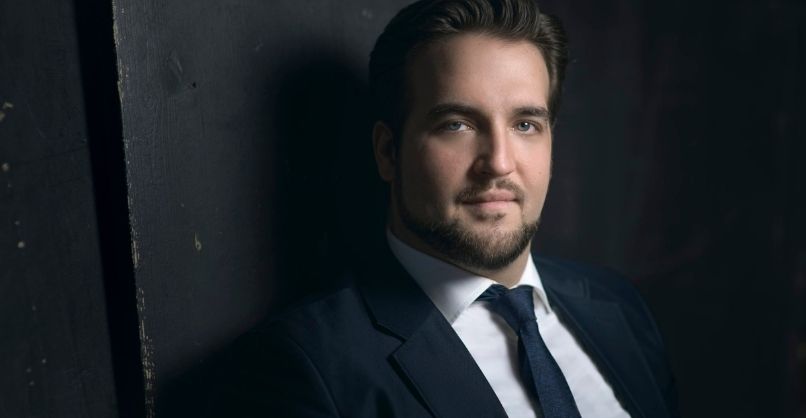
    Carlo Gérard: Ludovic Tézier
    La Mulatta Bersi: Cassandre Berthon
    Madelon: Elena Zaremba
  • Venue Info
  • Seating Plan
  • Synopsis

Teatro dell'Opera - Roma LocationPiazza Beniamino Gigli, 7 - 00187 Roma Italie

  • Venue's Capacity: 1400

Even though there is proof that an opéra performance took place in Rome as early as 1606, (Agazzari's EUMELIO), the Pope's ban on théâtre and opéra performances was for many years an obstacle in the local development of opéra. In spite of the fact that a public opéra théâtre was inaugurated in 1697, no major composer was linked with the papal city until the opening of the présent opéra house in 1880. Opéra in Rome was far from inexistent during the nineteenth century: Rossini came to première his BARBER OF SEVILLE at the Teatro Argentina in 1816, and Verdi four of his works, including II TROVATORE (1853) and UN BALLO IN MASCHERA (1859) at the Teatro Apollo.

But in 1877, the city that had in the meantime become the capital of Italy was still without a modem opéra house. Domenico Costanzi, who had made a fortune in the hôtel business, had the good idea of bequeathing his name to the Eternal City by funding the construction of an opéra house, which was opened three years later. Roman operatic life was thus revived, and, from 1880 to 1926, the Teatro Costanzi hosted no less than 46 world premières and 120 Roman premières. Thèse premières, ail signed by Italian composers, included triumphant performances of Mascagni's CAVALLERIA RUSTICANA and Puccini's TOSCA. Furthermore, it was here that the Roman public discovered PARSIFAL in 1884, while Toscanini made his Roman début in the house's pit, conducting... CARMEN. In 1926. the théâtre fell into the hands of the fascist state, which renovated and modernized the building. When the house reopened two years later, rebaptized "Teatro Reale dell'Opera", the tradition of "national"premières was of course pursued, and one could hear composers such as Respighi and Malipiero, as weil as Stravinsky, Richard Strauss, and even Berg's WOZZECK in 1942. In 1937, the now famous open-air summer concerts were inaugurated in the Caracalla thermal baths.

In 1946, the institution adopted the name of Teatro dell'Opera and interna-tionalized its répertoire, while remaining faithful to contemporary music, as works by composers such as Britten, Honegger, Hindemith, Janâcek, and Henze were performed. It was also on this stage that Renata Tebaldi was applauded in 1948, and Maria Callas (in the rôle of Kundry in PARSIFAL!) in 1949. In spite offinancial difficulties, the house's artistic directors have, during these last few décades, deftly managed to keep alive the creativity and the luster of the Roman stage.
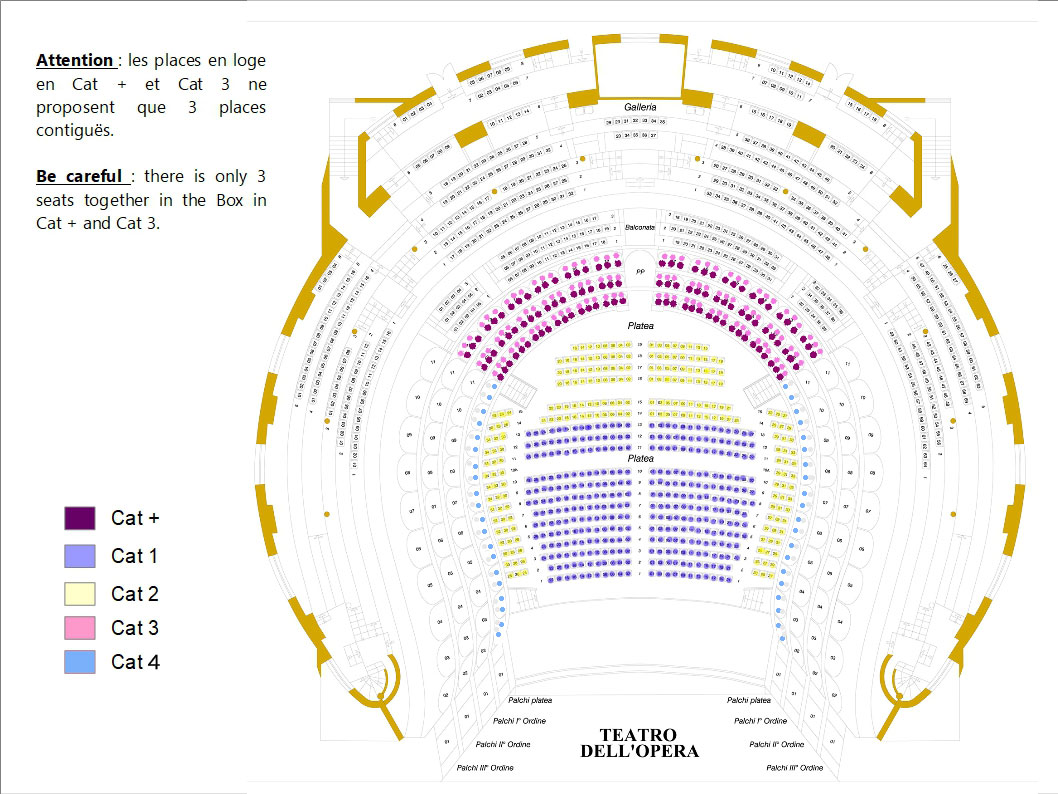

Teatro dell'Opera

The seating plan is given as an indication and has no contractual value.
The division of categories may differ depending on shows and dates.

Synopsis

Andrea Chénier

ANDREA CHENIER, A POPULAR OPERA

A verisimo opera in four acts by Italian composer Umberto Giordano and sung to a libretto by Luigi Illica, the story is based on the real life of a French poet, Andrea Chénier who was executed in the days of the French Revolution. Though not performed as often now, the opera remains a highly popular work with audiences who enjoy the dramatic music and lyrics written by Giordano for the leading tenor. A wonderful chance for singers to show off their exceptional vocal skills, the tenor Giuseppe Borgatti was catapulted to the top echelon of Italian opera singers thanks to his magnificent portrayal of the role.

HISTORY

Set in and around Paris in the period 1789-94, the opera is based on the life of a popular poet at the time of the French Revolution. Chénier is increasingly affected by the suffering of the poor in the turbulent society of his times, and comes under scrutiny. Maddalena the daughter of the Countess is known as 'Speranza' or hope, she pleads for Chénier's life after he is trapped and arrested, but to no avail. Although Gérard admits that he had Chénier accused because he too is in love with Maddalena, Robespierre refuses to pardon him. Maddalena changes places with an imprisoned noblewoman and goes to the guillotine in her place at Chénier's side.

Act 1

At a ball at the home of the Countess of Coigny, Chénier meets her daughter Maddalena after she gets him to recite poetry containing the word 'love' as a bet. Chénier becomes enraged and sings of the suffering of the poor. He appears with a crowd of beggars asking for food, and the Countess has him removed, comforting herself with thoughts of her gifts to charity.

Act 2

Now a merveilleuse, Bersi who was Maddalena's former serving girl chats with an Incroyable, or spy in a cafe in Paris. She jokes that she has nothing to hide. The Incroyable sees a blonde lady and notes that Chénier was seated at a nearby table. Robespierre passes with a former servant, Gérard who comes into the cafe in search of the blonde. The Incroyable tell him that she will return to the cafe that night. A hooded woman enters the cafe. It is Maddalena, known now as 'Speranza' or hope. Gérard accosts them and wounds Chénier in a sword fight.

Act 3

The Revolutionary Tribunal find Chénier guilty. Maddalena cries for justice, telling how the mob has burned down her mothers palace and left it in ruins.
Gérard's admits that it was he who had Chénier arrested to clear the way to Maddalena who he has always loved. Maddalena tries to give herself to Gérard in return for Chénier's life. Despite trying to take back his accusations, Gérard can not save Chénier and he is sentenced to death.

Act 4

Gérard's pleas for justice fall on deaf ears and Robespierre refuses to pardon the poet Chénier. Maddalena exchanges places with a condemned noblewoman and goes to the guillotine with Chénier in her place.

MAIN ROLES

Andrea Chénier - popular poet - tenor
Carlo Gérard - servant - baritone
Maddalena de Coigny - soprano
Bersi - maid to Maddalena - mezzo-soprano
The Incredible - a spy for Robespierre - tenor

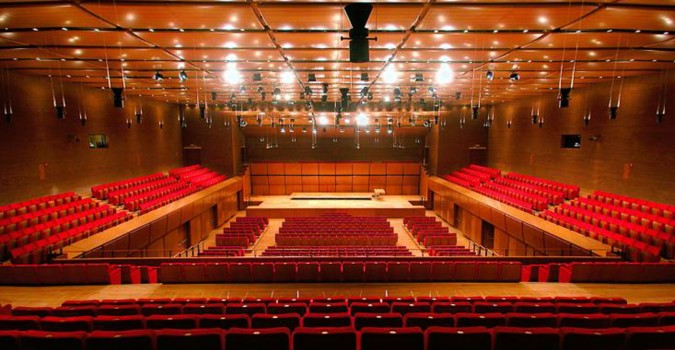
Teatro dell'Opera © Silvia Lelli

You may also be interested by …