


From €92
< Back to show details
Der fliegende Holländer - Wagner

Opernhaus - Leipzig

Select the date of the show

Loading available dates...

Please specify your seating requests regarding your ticket booking (OPTIONAL).
(100 char. max)

Seating

Music & Opera books the best available seats. The exact location of your seats will be confirmed via email. Only adjacent seats can be booked. More information

ANY QUESTIONS ?

Contact us by tel: +33 1 53 59 39 29 – or by Email.) See Help & FAQ page

TICKET DELIVERY INFORMATION

Your E-tickets to be printed will be sent by mail.

Price

Music & Opera ticket prices differ from the ticket face value, as they also include all service fees and taxes.

The Club Music & Opera

Le Club Music & Opera
Join the Club to benefit from special offers. Already Member of the Club, Login !
Der fliegende Holländer - Wagner

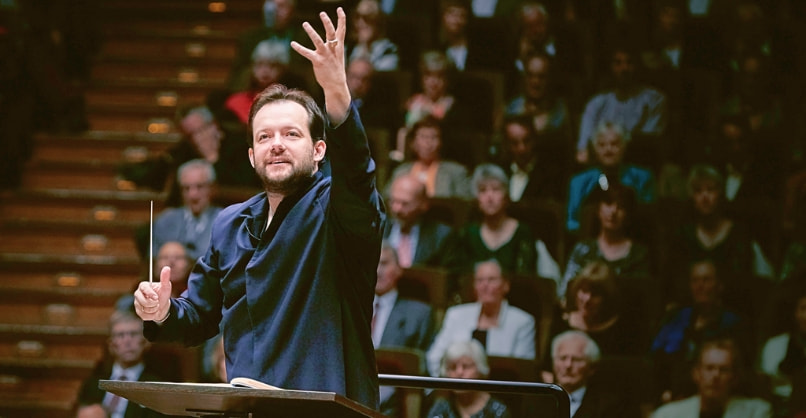
Yura Yang © Red

Wagner Der fliegende Holländer

From 12 September TO 05 June 2027
Opernhaus - Leipzig
From 92 €
Prices & Dates
Program

Wagner : Der fliegende Holländer 135 mn

Sung in : German
Cast
  • Conductor
    Christoph Gedschold
    Ivan Repusic
    Yura Yang
  • Performers
    Der Holländer: Egils Silins
    Der Holländer: Jordan Shanahan
    Senta: Ingela Brimberg
    Senta: Solen Mainguené
    Erik: Dan Karlström
    Erik: Tomislav Muzek
    Erik: Brenden Gunnell
    Erik: Kieran Carrel
  • Venue Info
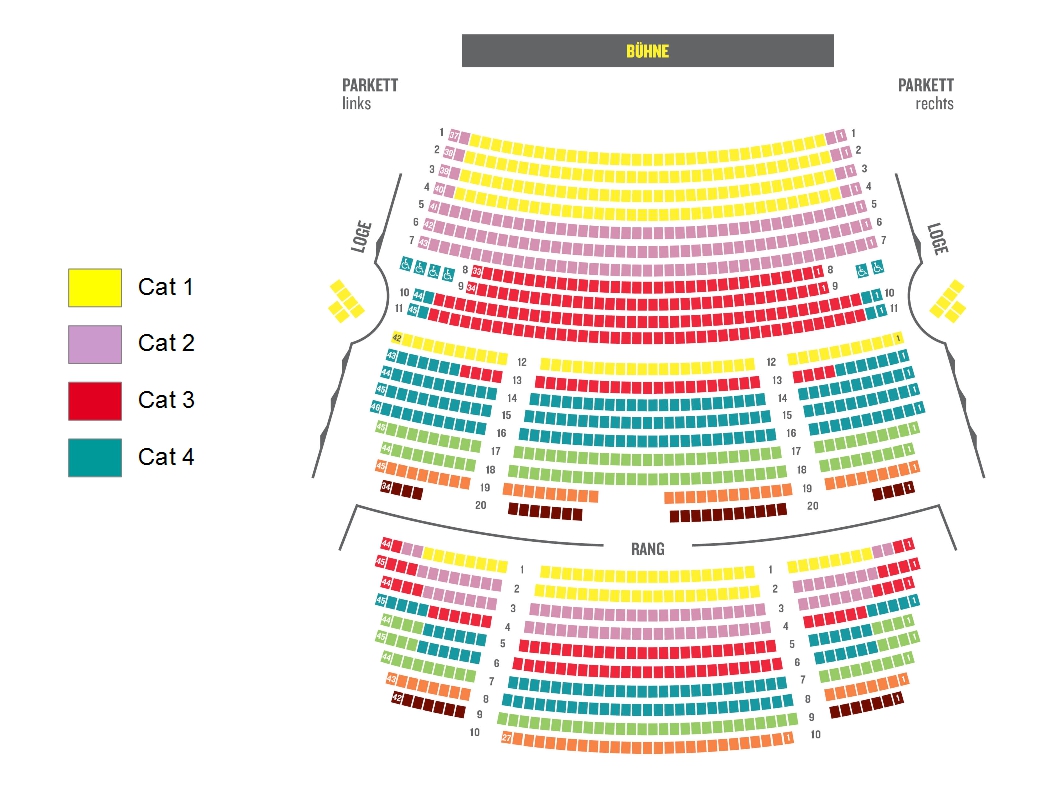
  • Seating Plan
  • Synopsis

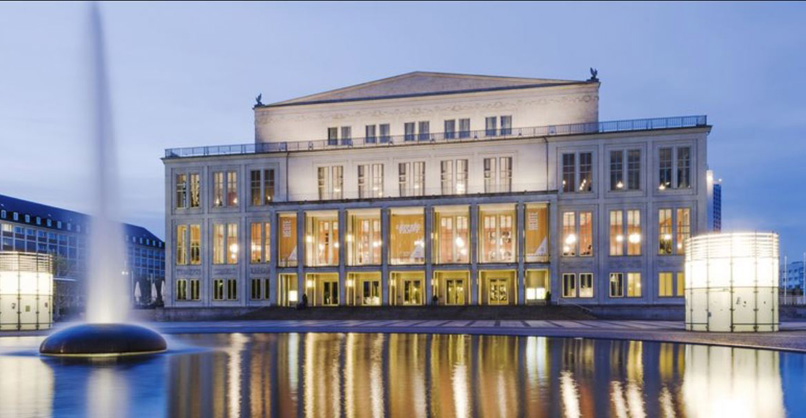
Opernhaus - Leipzig LocationAugustusplatz 12 - 04109 Leipzig Allemagne

Nikolaus Adam Strungk, like a number of 17th century musicians, was a man of many talents, being not only a composer, but also a violinist and organist. Yet he has gone down in history as the man who, in 1693, founded the first Leipzig Opera. He was the first director of the opera house where a number of his own compositions were performed. This was also the case for his successor, the prolific Georg Philip Telemann who, however, failed to save the institution from closing in 1720.


Leipzig then presented visiting Italian troupes until the fashion for German opera reached such a peak that the city opened a new theater in 1766. The Städtisches Theater was officially inaugurated in 1817 and, under different directors, the most famous being E.T.A. Hoffmann, presented repertoire ranging from Mozart to Weber, including the German premiere of Oberon, soon after the world premiere at Covent Garden.


In 1840, the Gewandhaus Orchestra, at the time under Mendelssohn, was named official orchestra to the Leipzig Opera and has remained so to this day. In 1850, Schumann conducted the first performances of his opera, GENOVEVA. In 1867 a new opera house was built on Augustusplatz, directly opposite the site of the future " New Gewandhaus ". A staunch defender of German operatic art, the Leipzig Opera soon took up the cause of Richard Wagner's music, putting on one of the first full performances of the RING, using stage sets and costumes from the Bayreuth Festival.


Before long they set forth to reveal the prodigious Ring cycle beyond German borders : these productions met with enthusiastic acclaim at Covent Garden, La Fenice and La Monnaie. Wagnerian culture was defended later by Arthur Nikisch and his young assistant, Gustav Mahler, but the Leipzig Opera also remained free to innovate and became one of the temples of modern music in the first half of the 20th century with programmes featuring a number of world premieres including the jazzy tones of Krenek's JONNY STRIKES UP (1927) and the more strident tones of Kurt Weill for Bertolt Brecht's RISE AND FALL OF THE CITY OF MAHAGONNY (1930). The opera was destroyed during the Second World War and not rebuilt until 1960. The style is not quite identical but has attempted to respect the classical lines of the old theater.

Opernhaus

The seating plan is given as an indication and has no contractual value.
The division of categories may differ depending on shows and dates.

Synopsis

Der fliegende Holländer

Discover the upcoming dates for Wagner's opera Der fliegende Holländer around the world and book your tickets now!

Der fliegende Holländer, Wagner's first major success, is a work that already heralds the themes dear to the brilliant composer, including that of impossible love.

Listen to the Music & Opera playlist : 

This beautiful fresco captivates thanks to the liveliness of the orchestral and vocal writing of the choirs and solo parts. The best introduction to the world of Wagner, the flamboyant and incomparable composer.

Known as Le Vaisseau Fantôme in French, Der Fliegende Holländer marks the transition between the operatic tradition of the first half of the 19th century and a renewal of style, desired and championed by Wagner. Before the revolutionary Tristan und Isolde, this furious and remarkable opera marked the first step towards innovation with the introduction of the "Leitmotiv", which would leave an indelible mark on opera.

HISTORY

The history of the play is deep and not easy to trace the facts of its origin. The action takes place in the Cape of Good Hope, where the Dutch ship is caught in a snowstorm. Captain Daland is begged by the crew to look for a safe haven but he refuses and locks himself in the log cabin. The storm still increase and the captain defy the heaven to submerge the vessel. The play was revived in 1834 by a German playwright Heinrich Heine. The play was further changed to another version in 1843 by Richard Wagner.

MAIN ROLES

  • John Michael Watcher, the Dutchman, bass-baritone
  • Wilhelmine Schroder-Devrient, Senta, Daland's daughter, soprano
  • Friedrich Traugott, Daland, a Norwegian Sea Captain, bass
  • Carl Risse, Erik, a huntsman, tenor
  • Wenzel Bielezizky, Daland's steersman, tenor
  • Therese Watcher, Mary, Senta's nurse, contralto.
OPERNHAUS

You may also be interested by …

Pay in 3 installments 30,67€ with interest-free. Learn more