

From €0
< Back to show details
La Bohème - Puccini

Nationaltheater - München

Select the date of the show

Reservation on request at [email protected]
Specify the city, the date and the number of tickets required

Loading available dates...


Seating

Music & Opera books the best available seats. The exact location of your seats will be confirmed via email. Only adjacent seats can be booked. More information

ANY QUESTIONS ?

Contact us by tel: +33 1 53 59 39 29 – or by Email.) See Help & FAQ page

TICKET DELIVERY INFORMATION

Your E-tickets to be printed will be sent by mail.

Price

Music & Opera ticket prices differ from the ticket face value, as they also include all service fees and taxes.

The Club Music & Opera

Le Club Music & Opera
Join the Club to benefit from special offers. Already Member of the Club, Login !
La Bohème - Puccini

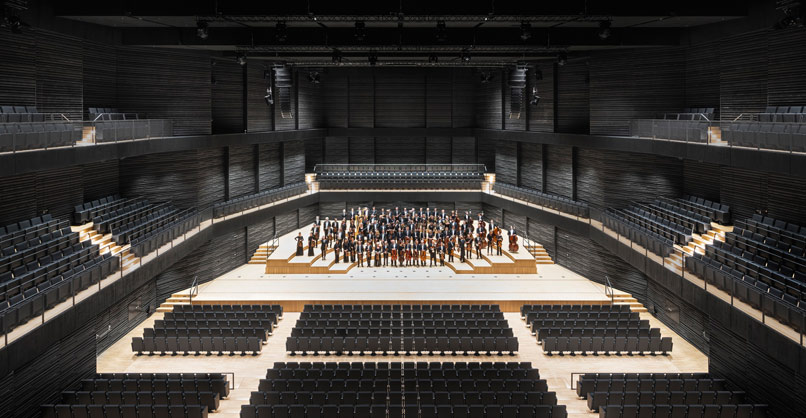
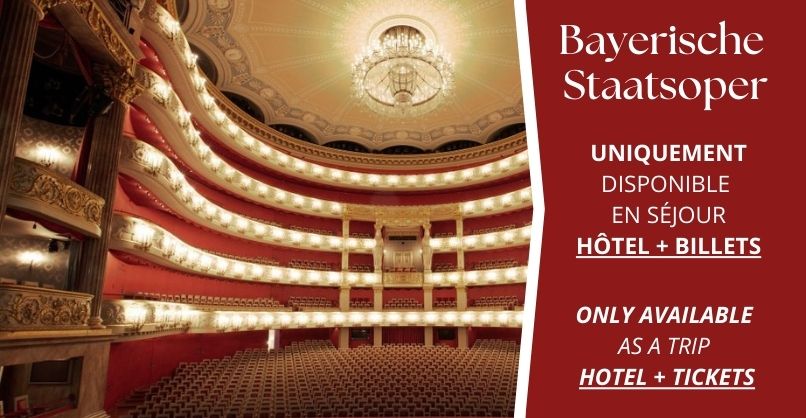
Munich photo © Wiilfried Hösl

Puccini La Bohème

From 13 November TO 24 November 2026
Nationaltheater - München
From 0 €
Prices & Dates
Program

Puccini : La Bohème 120 mn

Sung in : Italian
Cast
  • Bayerisches Staatsorchester
  • Bayerischer Staatsopernchor
    Kinderchor der Bayerischen Staatsoper
  • Conductor
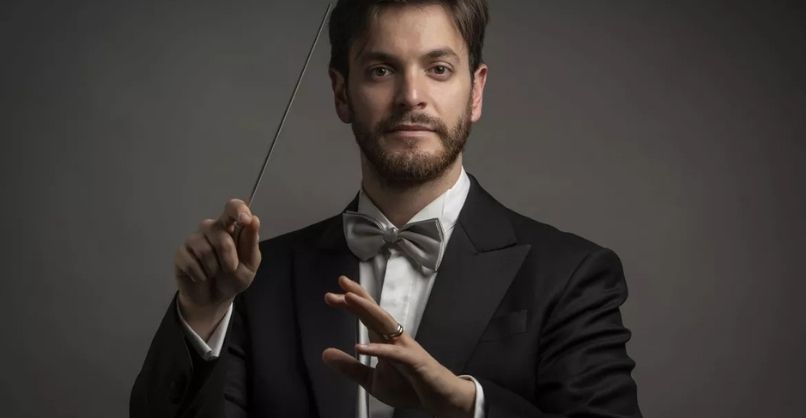
    Francesco Ivan Ciampa
  • Director
    Otto Schenk
  • Performers
    Mimi: Nicole Car
    Rodolfo: Saimir Pirgu
    Marcello: Davide Luciano
    Musetta: Juliana Grigoryan
    Colline: Giorgi Manoshvili
    Schaunard: Vitor Bispo
MUNICH MUSIC TRIP ON REQUEST

Attend to this performance within a complete Music Trip to Munich

More information and QUOTATION request below: 

For Munich Bayerische Staatsoper performances, we only offer PACKAGES : OPERA TICKET + HOTEL.

Contact us to as a quotation HERE

FIND HERE ALL MUSICAL STAYS

  • Venue Info
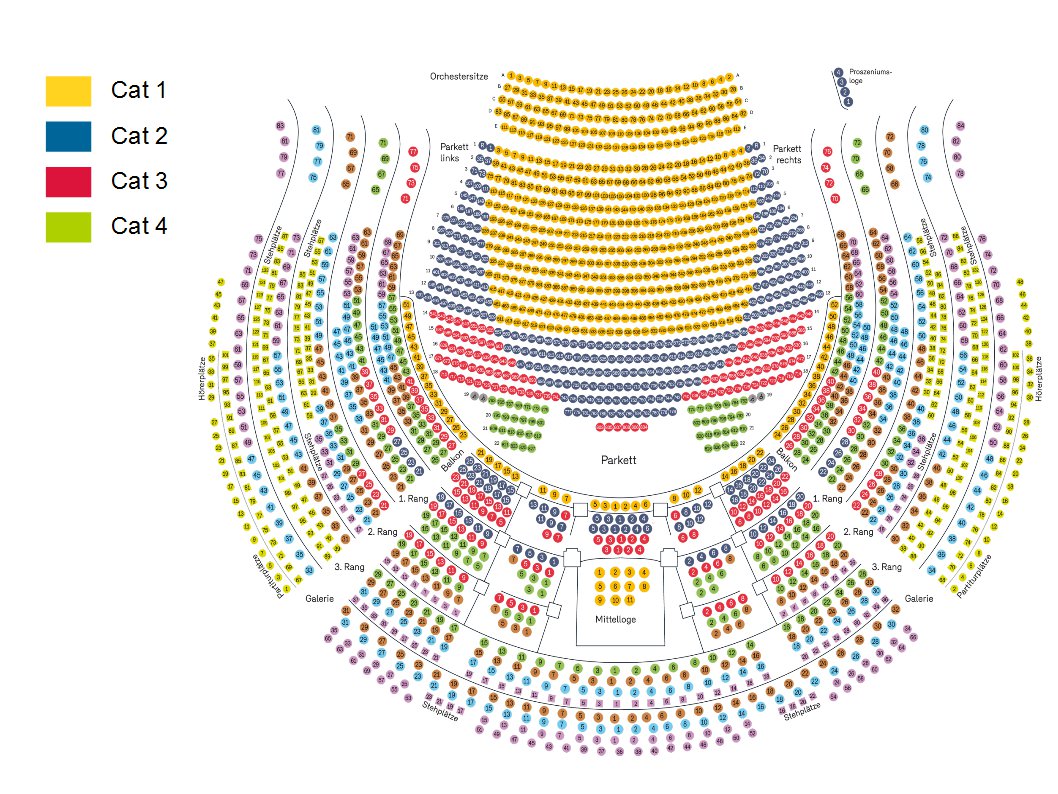
  • Seating Plan
  • Synopsis

Nationaltheater - München LocationMax-Joseph-Platz 2 - 80539 München Allemagne

  • Venue's Capacity: 2100

The history of Munich's actual theatre truly only begins at the end of the eighteenth century. Indeed, after over a century of infatuation for Italian opera, which was manifest in the construction of the Théâtre de la Cour (now called the Théâtre Cuvilliês, still active), local inhabitants began to feel the need for a German lyrical art. German repertoire, as Mozart appealed for, active in Munich especially during the premiere of his IDOMENEO, but also, a German theatre, since the Theatre de la Cour was limited to Italian art. The Napoleonic wars and King Maximilien I's sudden passion for the Odéon Theatre in Paris postponed this project.

The public thus waited until 1818 to discover its « National Theatre, » a subtle and luxurious synthesis of various styles: loggias in the Italian tradition cohabited with innovations from the French school of architecture. One of the noveltieswas a reservoir of water destined to be used in case of fire, but which nevertheless did not save the buildîng from flames in January 1823 ; the water was frozen! The Opera was reconstructed, financed by a special tax on beer: perhaps an original means but one yielding a particularly high return! After these rather tumultuous beginnings, the National Theatre reopened in 1825 and became the hotbed of German lyrical art. Four of Wagner's operas were premiered there between 1365 and 1870 (TRISTAN UND ISOLDE, Da MEISTERSINGER, DAS RHEINGOLD, and DIE WALKÜRE).

Wagner, of course, but also Mozart and Richard Strauss soon became the pillars of the Theatre's repertoire during the first half of the twentieth century, thanks to the talent of conductors such as Bruno Walter, Hans Knappertsbusch, and... Richard Strauss, himself a native of Munich. Strauss saw two of his operas premiered in his home town: FRIEDENSTAG (Peace Day, 1938!), and CAPRICCIO (1942). The libretto of the latter was elaborated with the help of the conductor Clemens Krauss, who was then Director of the Opera. The fact that the building was destroyed during the war did not prevent the company's tradition from being perpetuated.

Between 1952 and 1967, the institution was directed by Rudolf Hartmann, a former assistant to Richard Strauss and Clemens Krauss. The former 1818 edifice was reconstructed in 1963, after much hesitation as to whether or not to erect a modern hall. The long reign (1971-1992) of conductor Wolfgang Sawallisch, a distinguished representative of the tradition composed of rigour and commitment, is an example of the perserverance with which the Bayerische Staatsoper comes to terms with the legacy of its brilliant past.

Nationaltheater

The seating plan is given as an indication and has no contractual value.
The division of categories may differ depending on shows and dates.

Synopsis

La Bohème

Discover the upcoming dates for Puccini's opera La Bohème around the world and book your tickets now!


Mimi's tragic story is impossible to ignore. With La Bohème, Puccini wrote his most heart-rending opera, set to sublime, poignant music. It's a masterpiece, and an excellent introduction for the emotion-seeking neophyte.

Listen to the Music & Opera playlist : 

Building on the success of his previous opera ‘Manon Lescaut’, Giacomo Puccini continued his collaboration with Giuseppe Giacosa, adapting for the opera a novel by Henri Murger entitled ‘Scenes from Bohemian Life’. On the timeless theme of impossible love, Puccini describes the creativity and carefree nature of the Parisian artistic milieu, the harsh living conditions of the working class and the constant dissatisfaction of the bourgeoisie. He also contrasts the ability to enjoy the simple joys of life with the harshness of the times. Moving and heartbreaking, but also sparkling and sparkling, La Bohème was a growing and enduring success, even if its premiere on 1st February 1896 left audiences with mixed feelings.

THE STORY

It was love at first sight when the little cousin Mimi met the poet Rodolpho in the squalor of the Latin Quarter where he lived with his student and artist friends. But Mimi's illness and lack of money made their bohemian life and love impossible. Separated, they are not reunited until Mimi's tragic death from tuberculosis.

CARACTERS 

  • Rodolpho, poet and Mimi's lover, tenor
  • Mimi, dressmaker, soprano
  • Marcello, painter, barython
  • Musetta, singer, soprano


Munich photo © Wiilfried Hösl

You may also be interested by …