

From €195
< Back to show details
Wozzeck - Berg

La Monnaie / De Munt - Bruxelles

Select the date of the show

Loading available dates...

Please specify your seating requests regarding your ticket booking (OPTIONAL).
(100 char. max)

Seating

Music & Opera books the best available seats. The exact location of your seats will be confirmed via email. Only adjacent seats can be booked. More information

ANY QUESTIONS ?

Contact us by tel: +33 1 53 59 39 29 – or by Email.) See Help & FAQ page

TICKET DELIVERY INFORMATION

You will receive by email, your E-tickets to be printed or downloaded on your mobilephone.

Price

Music & Opera ticket prices differ from the ticket face value, as they also include all service fees and taxes.

The Club Music & Opera

Le Club Music & Opera
Join the Club to benefit from special offers. Already Member of the Club, Login !
Wozzeck - Berg

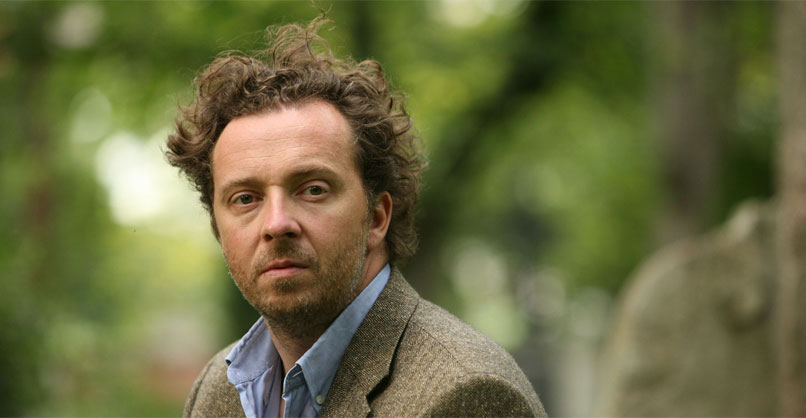
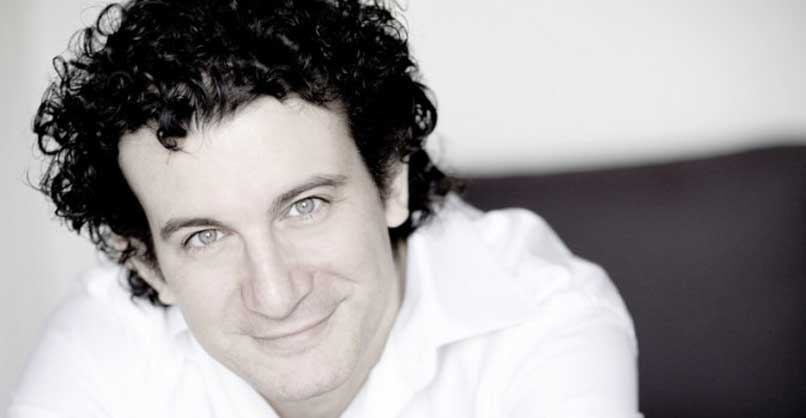
Alain Altinoglu © Marco Borggreve

Berg Wozzeck

From 08 November TO 22 November 2026
Opening date: 09 June 2026
La Monnaie / De Munt - Bruxelles
From 195 €
Prices & Dates
Program

Berg : Wozzeck

Cast
  • Conductor
    Alain Altinoglu
  • Director
    Christophe Coppens
  • Performers
    Wozzeck: Scott Hendricks
    Marie: Jennifer Holloway
    Tambourmajor: Christopher Sokolowski
    Andres: Denzil Delaere
    Hauptmann: Matthias Wohlbrecht
    Doktor: Magnus Piontek
  • Venue Info
  • Seating Plan
  • Synopsis

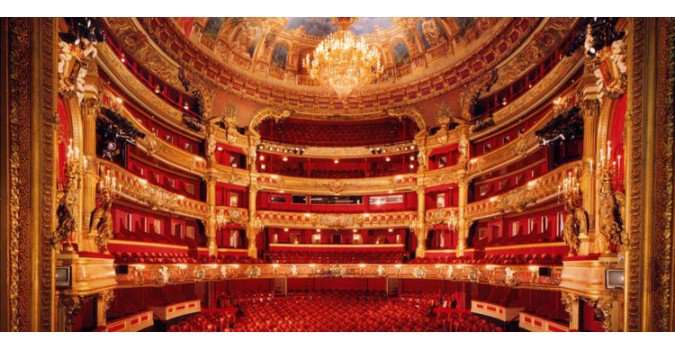
La Monnaie / De Munt - Bruxelles LocationPlace de la Monnaie - 1000 Bruxelles Belgique

  • Venue's Capacity: 1152

The history of La Monnaie, Brussels' famous opera house, dates back to 1695, when, after a large part of the city was bombed by the French, the tresorer of the last Spanish gover nor of the Netherlands obtained permission to construct a theatre on the bared site of a workshop where coins were formerly struck.

In 1700, a production of Lully's ATYS inaugurated the Monnaie stage, where opera and theatre performances were alternatively billed, and where, several years later. Napoleon came to hear the famous Talma recite the lines of Racine's BRITTANICUS. The French Emperor thought of constructing a new building just behind the old one. But Brussels soon fell under the reign of the Dutch King, who took over his plans. The second theatre, inaugurated in 1819, would nonetheless cause the Dutch sovereign quite a few headaches. During a performance of Auber's LA MUETTE BE PORTICI, for example, part of the overcrowded audience assembled in front of the building. The artists encored the opera's famous duo that pledges allegiance to the fatherland, and when the hero sang "To arms!" the crowd burst into the city. It was the 30th of August 1830, and the revolution that would lead to Belgian indépendance had begun.

The present hall was constructed in 1856, after the preceeding building was burnt down by one of the fires that have so often marked the history of European concert halls. From this time on. La Monnaie forged a reputation of being a crossroads of creation and modernity, whose audacious billing compensated that of the more conservative Parisian stage. Verdi, Wagner (heard here as nowhere else outside of Germany) or Bizet's CARMEN (which the French at first shunned), all resounded within the theatre's walls.

Since the beginning of our century, La Monnaie has never hesitated to programme works by such revolutionaries as Stravinsky, Berg, Britten, and Prokofiev, long before other opera houses welcomed them. As of 1960, the theatre's reputation was reinforced by the creation of Maurice Béjart's Twentieth Century Ballet, and consecrated under Gerard Mortier's management (1981-1991).
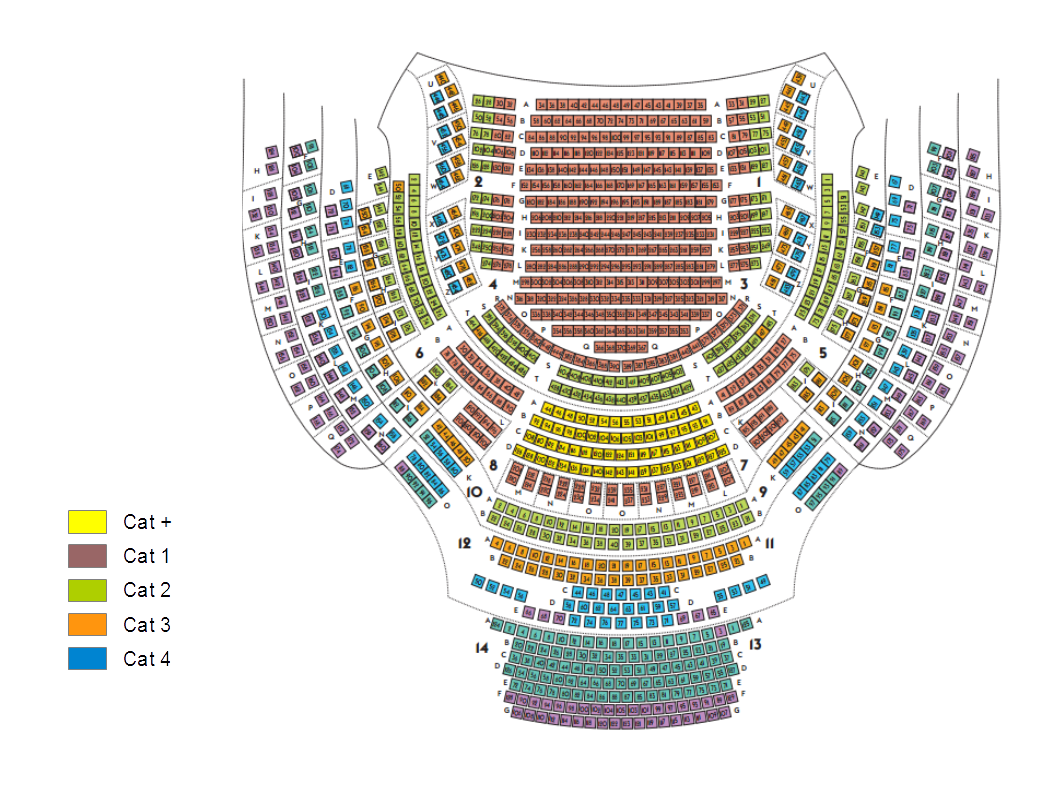

La Monnaie / De Munt

The seating plan is given as an indication and has no contractual value.
The division of categories may differ depending on shows and dates.

Synopsis

Wozzeck

WOZZECK: AN ATONAL OPERA


Wozzeck is a relatively modern opera composed by Alban Berg between 1914 and 1922. It was premiered in 1925 at the Berlin State Opera.


The Austrian composer Berg based the opera on the play called Woyzeck written by Georg Buchner. This play was incomplete when Buchner died and Berg rearranged extracts from it to create an opera of 15 scenes set within 3 acts. The subject matter is harsh, handling the hardship and exploitation of the poor. The composition of the opera took so long as Berg was fighting for Germany in the First World War. It was performed regularly until the Nazis decided it was 'decadent art' and banned its performance. Berg's opera was first staged in Britain at the Royal Opera House in 1952.
It is the first and most famous opera to employ atonality as a music structure. The lack of key and atonal music gives a sense of madness and starkness to the production.

HISTORY

The story of the opera revolves around the central character and his common law wife, Marie. Tired of living in poverty she succumbs to the advances of a passing soldier. He discovers their affair and vows revenge upon them. Despite Marie realising her mistake and asking for forgiveness, he kills her in a fit of anger, leaving her body to be discovered by her son and the other village children.
Act 1:
The opera opens in the Captain's suite where he is being shaved by Wozzeck. The Captain berates him for leading an immoral life and for having an illegitimate child and he responds that poverty makes morality difficult. Later he and his friend Andres are collecting firewood at sunset when they are overcome by frightening visions. A military parade passes the window of Marie, his common law wife. He tells her of his visions and leaves without seeing their son which upsets and angers her. The Doctor who has been treating him, scolds him for not following his instructions but feels his 'experiment' has succeeded when he hears of the visions. The act ends with Marie admiring the drum-major and succumbing to his advances.

Act 2

Act 2 opens with Marie and her son preparing for bed; she is admiring the earrings which the drum-major has given her and tells her common law husband that she has found them. Not sure whether to believe her or not he gives her some money and departs, leaving Marie feeling guilty. Together Doctor and the Captain tell Wozzeck that Marie is being unfaithful to him. He confronts Marie and goes to hit her but she stops him by saying that even her father never hit her. Another way of getting his revenge comes to him. The act ends with Marie dancing with the drum-major and the drum-major trying to fight her husband.

Act 3

Marie has become distraught and guilty and wants to seek forgiveness so she walks in the woods with her husband. However, in a fit of anger he decides that if he can't have her, no one will and he stabs her. Later he tries to dance with their neighbour Margaret but seeing blood on his hands makes him realise what he has done. Under a blood red moon he wades into a lake and drowns. The following morning the opera ends when children, including Marie's son, find her body.

MAIN ROLES

Wozzeck: aide to the Captain, common law husband to Marie (baritone).
Marie: his common law wife (soprano).
Captain: (buffo tenor).
Doctor: (buffo bass).
Drum-major: Marie's lover (tenor).
Andres: their friend (lyric tenor).

La Monnaie

You may also be interested by …