





 Place de la Monnaie - 1000 Bruxelles Belgique
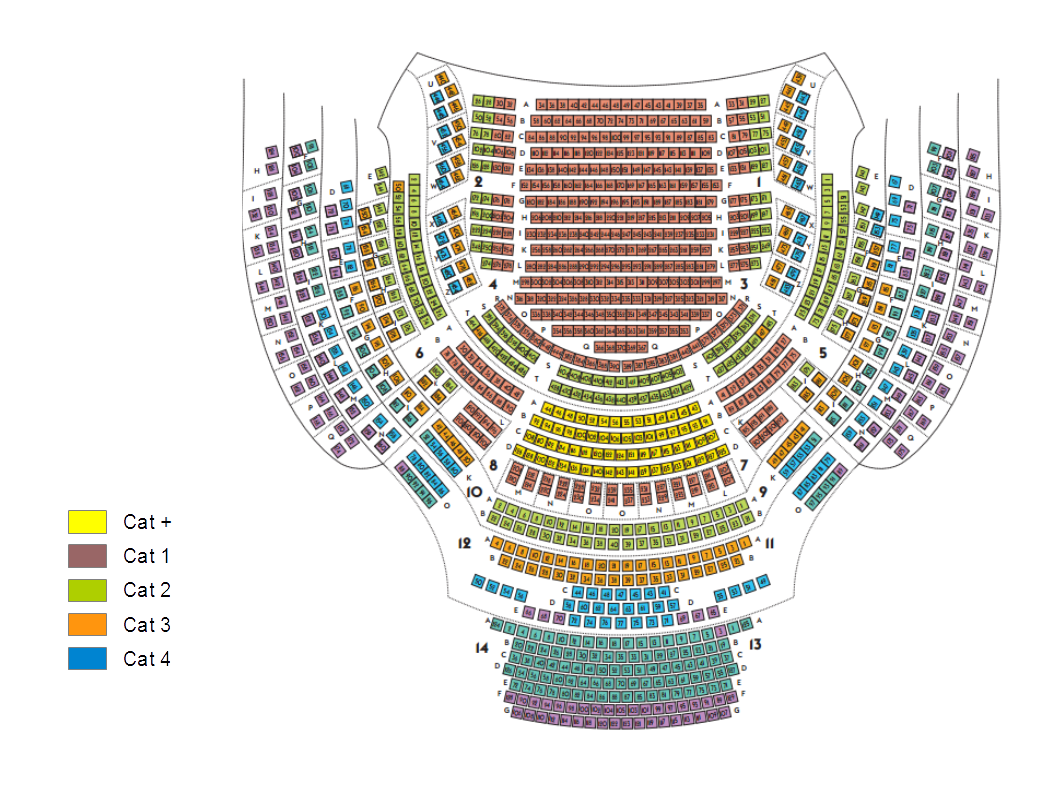
- Venue's Capacity: 1152
The history of La Monnaie, Brussels' famous opera house, dates back to 1695, when, after a large part of the city was bombed by the French, the tresorer of the last Spanish gover nor of the Netherlands obtained permission to construct a theatre on the bared site of a workshop where coins were formerly struck.
In 1700, a production of Lully's ATYS inaugurated the Monnaie stage, where opera and theatre performances were alternatively billed, and where, several years later. Napoleon came to hear the famous Talma recite the lines of Racine's BRITTANICUS. The French Emperor thought of constructing a new building just behind the old one. But Brussels soon fell under the reign of the Dutch King, who took over his plans. The second theatre, inaugurated in 1819, would nonetheless cause the Dutch sovereign quite a few headaches. During a performance of Auber's LA MUETTE BE PORTICI, for example, part of the overcrowded audience assembled in front of the building. The artists encored the opera's famous duo that pledges allegiance to the fatherland, and when the hero sang "To arms!" the crowd burst into the city. It was the 30th of August 1830, and the revolution that would lead to Belgian indépendance had begun.
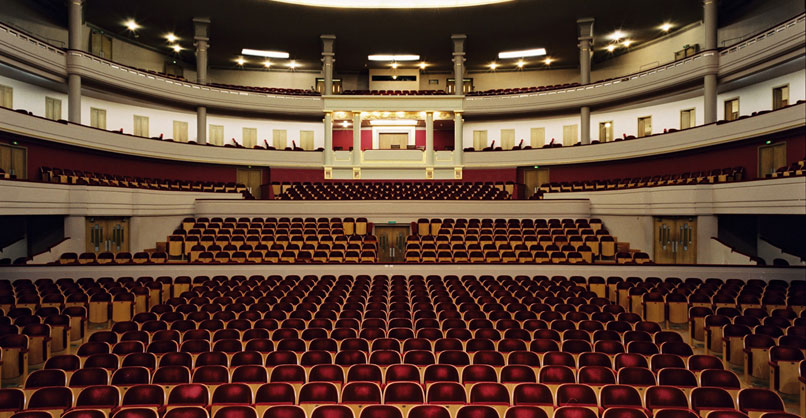
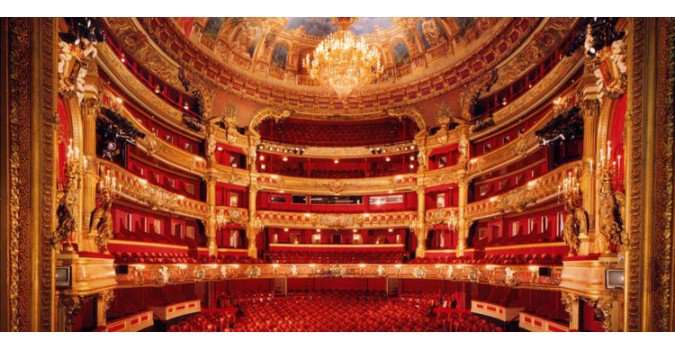
The present hall was constructed in 1856, after the preceeding building was burnt down by one of the fires that have so often marked the history of European concert halls. From this time on. La Monnaie forged a reputation of being a crossroads of creation and modernity, whose audacious billing compensated that of the more conservative Parisian stage. Verdi, Wagner (heard here as nowhere else outside of Germany) or Bizet's CARMEN (which the French at first shunned), all resounded within the theatre's walls.
Since the beginning of our century, La Monnaie has never hesitated to programme works by such revolutionaries as Stravinsky, Berg, Britten, and Prokofiev, long before other opera houses welcomed them. As of 1960, the theatre's reputation was reinforced by the creation of Maurice Béjart's Twentieth Century Ballet, and consecrated under Gerard Mortier's management (1981-1991).