

From €74
< Back to show details
Der fliegende Holländer - Wagner

Deutsche Oper - Berlin

Select the date of the show

Loading available dates...

Please specify your seating requests regarding your ticket booking (OPTIONAL).
(100 char. max)

Seating

Music & Opera books the best available seats. The exact location of your seats will be confirmed via email. Only adjacent seats can be booked. More information

ANY QUESTIONS ?

Contact us by tel: +33 1 53 59 39 29 – or by Email.) See Help & FAQ page

TICKET DELIVERY INFORMATION

You will receive by email, your E-tickets to be printed or downloaded on your mobilephone.

Price

Music & Opera ticket prices differ from the ticket face value, as they also include all service fees and taxes.

The Club Music & Opera

Le Club Music & Opera
Join the Club to benefit from special offers. Already Member of the Club, Login !
Der fliegende Holländer - Wagner

Wagner Der fliegende Holländer

From 13 February TO 20 February 2027
Deutsche Oper - Berlin
From 74 €
Prices & Dates
Program

Wagner : Der fliegende Holländer 135 mn

Sung in : German
Cast
  • Conductor
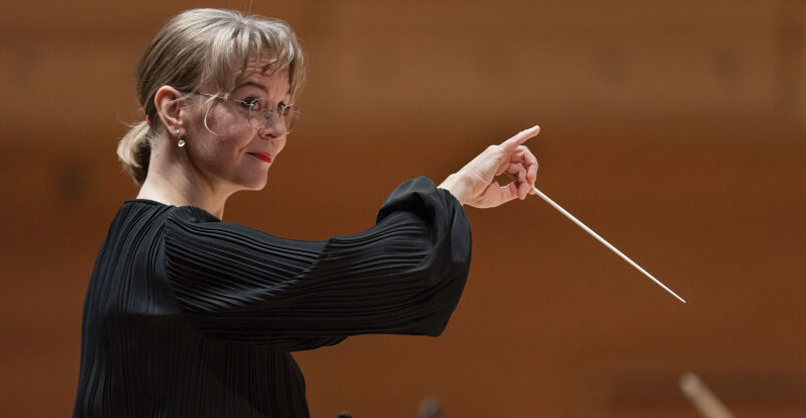
    Anna Handler
  • Director
    Milo Rau
  • Performers
    Der Holländer: Tomasz Konieczny
    Senta: Ausrine Stundyte
    Erik: Attilio Glaser
    Daland: Tareq Nazmi
    Der Steuermann: Omar Mancini
    Mary: Stephanie Wake-Edwards
  • Venue Info
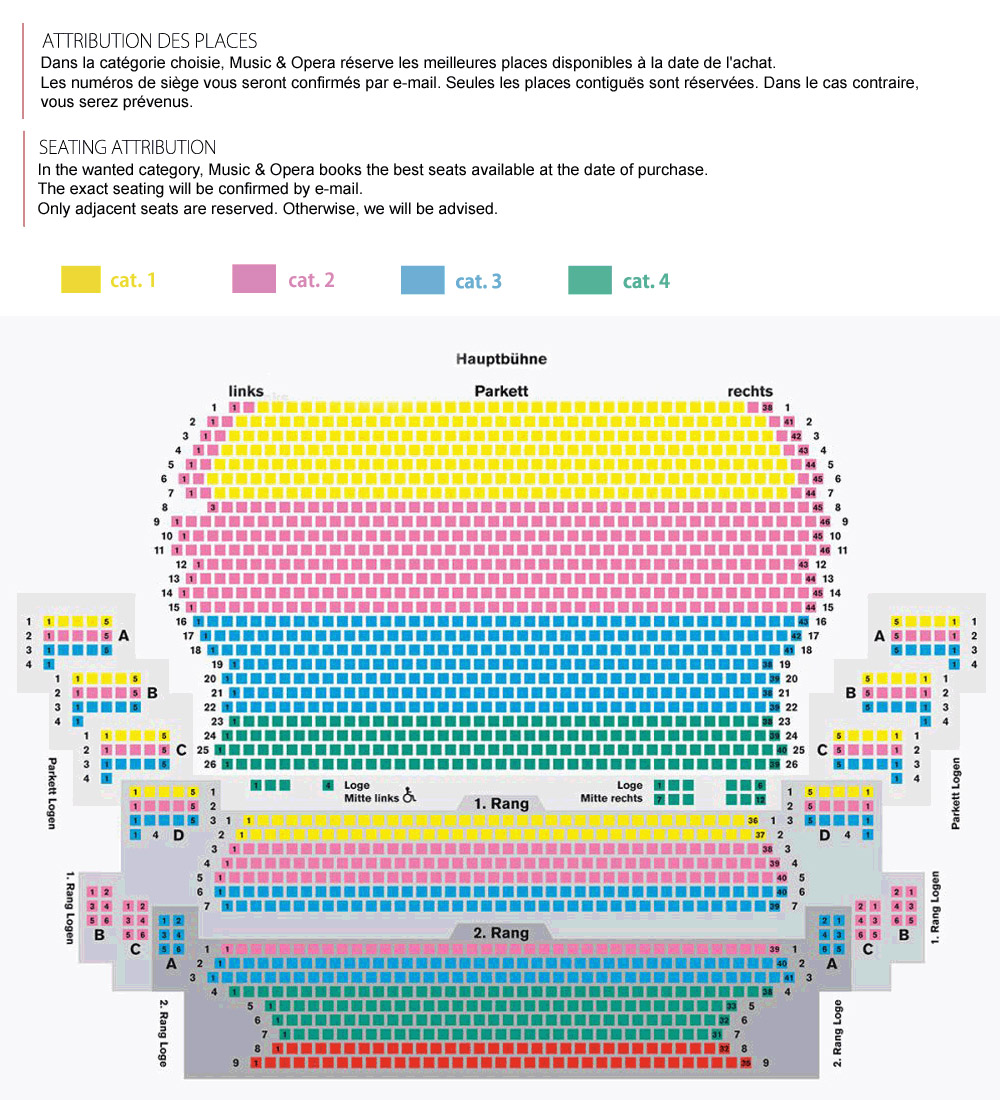
  • Seating Plan
  • Synopsis

Deutsche Oper - Berlin LocationBismarckstrasse 35 - 10627 Berlin Allemagne

  • Venue's Capacity: 1859

Contrary to the Staatsoper Unter den Linden which was founded in the eighteenth century in the centre of town and for a long time considered the Royal Opera, the history of the Berlin Opera began in 1912, in the Charlottenburg neighborhood situated outside the city limits, and intitiated by the rich bourgeoisie. But the inevitable occured, following the economic crisis of World War I, and the Charlottenburg Opera was ultimately purchased by the City of Berlin.

Bruno Walter greatly improved the musical qualities of this institution which was rebaptized the Städtische Oper (City Opera). Prior to that, Carl Ebert, as administrator (with Rudolf Bing, the future legendary director of the MET in New York, as assistant), promoted more modern music, including those operas by Kurt Weill or Schreker which Klemperer could no longer perform at the then-closed Kr oll-Oper, and which provoked the ire of the Nazis as early as 1933. In 1945, the building was left in ruins, but by the month of August 45, the company presented FIDELIO at the « Theater des Westerns » and animated that theatre until 1961. During this period, the conductor Ferenc Fricsay, named music director, enabled the Städtische Oper to regain its international ranking, alternating standard repertoire in top-quality productions (where voices such as Dietrich Fischer-Dieskau or Josef Greindl were discovered), works by Stravinsky and Hindemith (who were banned by the Nazis), and world premieres. But in 1955, the Opera Unter den Linden, situated in East Germany, reopened under the name of the Deutsche Staatsoper. Under the influence of this politico-artistic competition, three decisions were made : the Städtische Oper was rebaptized the Deutsche Oper Berlin, plans were made to construct a theatre at the Charlottenburg site (situated in West Berlin), and Carl Ebert who, in the mean­time founded the Glyndebourne Festival, was called back. His productions and season programmes turned West Berlin into one of contemporary opera's main capitals.

Deutsche Oper

The seating plan is given as an indication and has no contractual value.
The division of categories may differ depending on shows and dates.

Synopsis

Der fliegende Holländer

Discover the upcoming dates for Wagner's opera Der fliegende Holländer around the world and book your tickets now!

Der fliegende Holländer, Wagner's first major success, is a work that already heralds the themes dear to the brilliant composer, including that of impossible love.

Listen to the Music & Opera playlist : 

This beautiful fresco captivates thanks to the liveliness of the orchestral and vocal writing of the choirs and solo parts. The best introduction to the world of Wagner, the flamboyant and incomparable composer.

Known as Le Vaisseau Fantôme in French, Der Fliegende Holländer marks the transition between the operatic tradition of the first half of the 19th century and a renewal of style, desired and championed by Wagner. Before the revolutionary Tristan und Isolde, this furious and remarkable opera marked the first step towards innovation with the introduction of the "Leitmotiv", which would leave an indelible mark on opera.

HISTORY

The history of the play is deep and not easy to trace the facts of its origin. The action takes place in the Cape of Good Hope, where the Dutch ship is caught in a snowstorm. Captain Daland is begged by the crew to look for a safe haven but he refuses and locks himself in the log cabin. The storm still increase and the captain defy the heaven to submerge the vessel. The play was revived in 1834 by a German playwright Heinrich Heine. The play was further changed to another version in 1843 by Richard Wagner.

MAIN ROLES

  • John Michael Watcher, the Dutchman, bass-baritone
  • Wilhelmine Schroder-Devrient, Senta, Daland's daughter, soprano
  • Friedrich Traugott, Daland, a Norwegian Sea Captain, bass
  • Carl Risse, Erik, a huntsman, tenor
  • Wenzel Bielezizky, Daland's steersman, tenor
  • Therese Watcher, Mary, Senta's nurse, contralto.
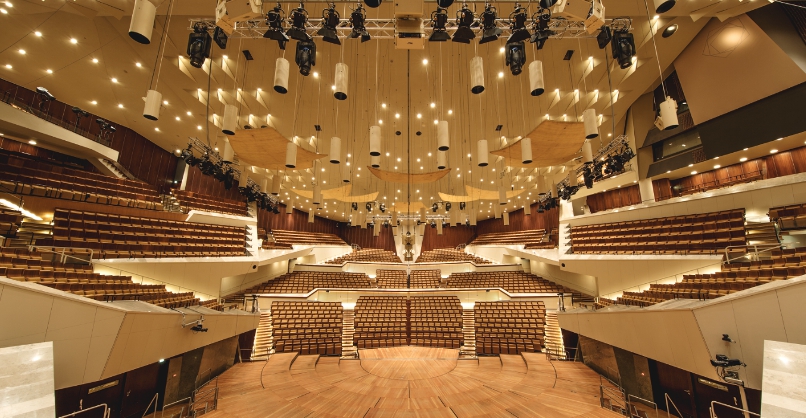
Deutsche Oper Berlin im Saal © Günter Karl Bose

You may also be interested by …

Pay in 3 installments 24,67€ with interest-free. Learn more