


 240 mn


 Silk St - EC2Y 8DS London Royaume-Uni
- Venue's Capacity: 1943
From €64

Seating
Music & Opera books the best available seats. The exact location of your seats will be confirmed via email. Only adjacent seats can be booked. More information

ANY QUESTIONS ?
Contact us by tel: +33 1 53 59 39 29 – or by Email.) See Help & FAQ page

TICKET DELIVERY INFORMATION
Your E-tickets to be printed will be sent by mail.

Price
Music & Opera ticket prices differ from the ticket face value, as they also include all service fees and taxes.
The Club Music & Opera
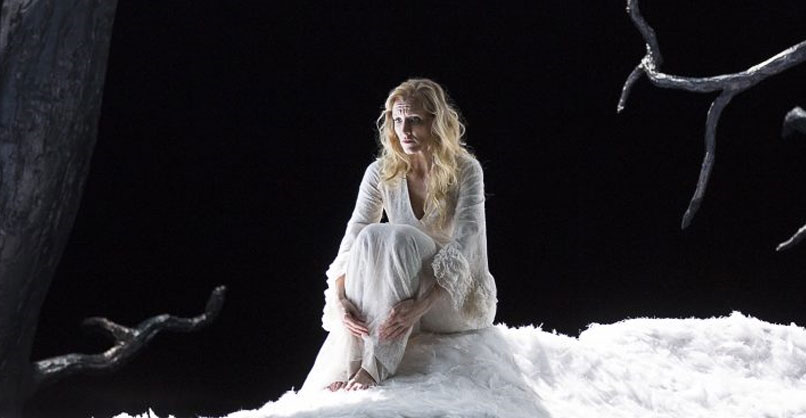
Sara Jakubiak (Elsa) Lohengrin, Graz Opera, photo Werner Kmetitsch
Opera
Wagner Tristan und Isolde
 Venue Info
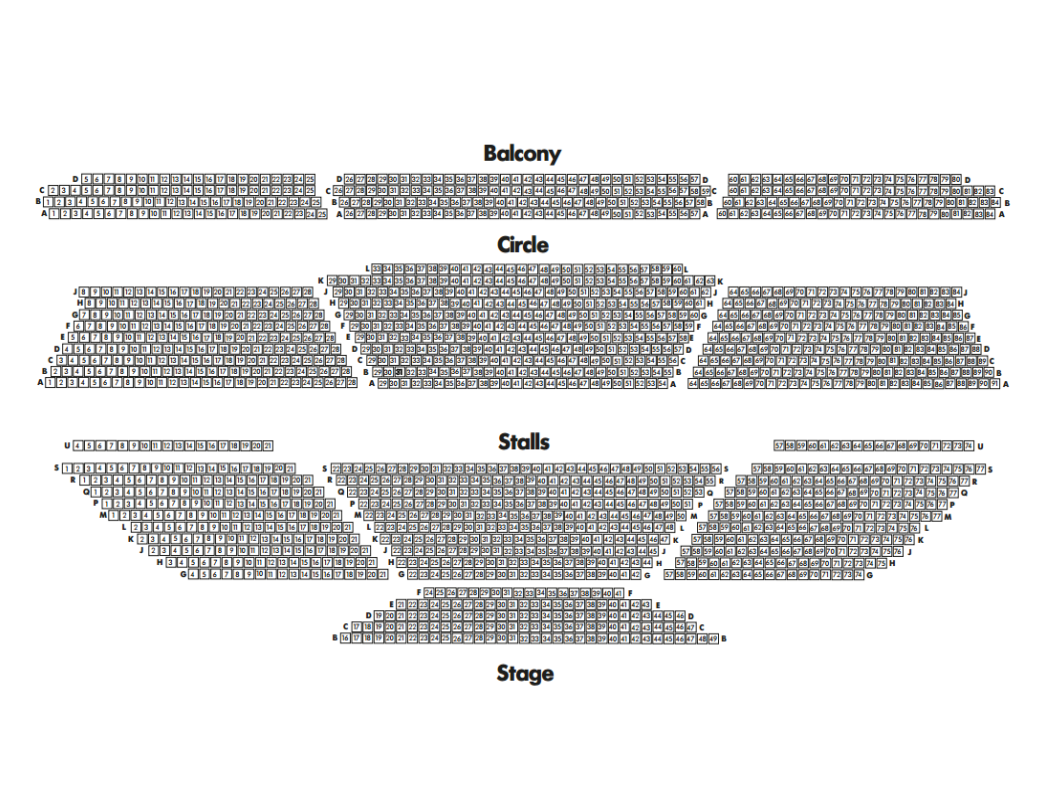
- Seating Plan
- Synopsis
Barbican Hall - London Silk St - EC2Y 8DS London Royaume-Uni
Barbican Hall
The seating plan is given as an indication and has no contractual value.
The division of categories may differ depending on shows and dates.
The division of categories may differ depending on shows and dates.
Synopsis
Tristan und Isolde
A masterpiece of masterpieces, Wagner's opera revolutionized the world of classical music forever. The universal and mythical love story set to incredible music was an unprecedented aesthetic shock. The work still arouses the same emotion; more than an opera, it is an experience.
Inspired by the Celtic legend, Tristan und Isolde was composed by Richard Wagner and premiered in 1865. The libretto is by the composer himself, who adapted the 13th century poem by Gottfried von Strassburg.
This opera is considered one of the most important in all of lyric theatre and remains Wagner's absolute masterpiece. Musically, the most remarkable thing is undoubtedly the sequence of unresolved chords that build up a physical tension from which the listener will only be released during the very last phrase in Isolde's Liebestod. The prelude to the first act and Isolde's love song are among the most moving works ever composed.
Isolde, promised to King Marke, has troubled feelings for Tristan. A love potion will seal a mutual passion and the two beings will live this hidden love that will only be consummated in death.

Pay in 3 installments 21,33€ with interest-free. Learn more