

From €70
< Back to show details
Pagliacci - Leoncavallo

Auditorium Parco della Musica (Sala Santa Cecilia) - Roma

Select the date of the show

Loading available dates...

Please specify your seating requests regarding your ticket booking (OPTIONAL).
(100 char. max)

Seating

Music & Opera books the best available seats. The exact location of your seats will be confirmed via email. Only adjacent seats can be booked. More information

ANY QUESTIONS ?

Contact us by tel: +33 1 53 59 39 29 – or by Email.) See Help & FAQ page

TICKET DELIVERY INFORMATION

You will receive by email, your E-tickets to be printed or downloaded on your mobilephone.

Price

Music & Opera ticket prices differ from the ticket face value, as they also include all service fees and taxes.

The Club Music & Opera

Le Club Music & Opera
Join the Club to benefit from special offers. Already Member of the Club, Login !
Pagliacci - Leoncavallo

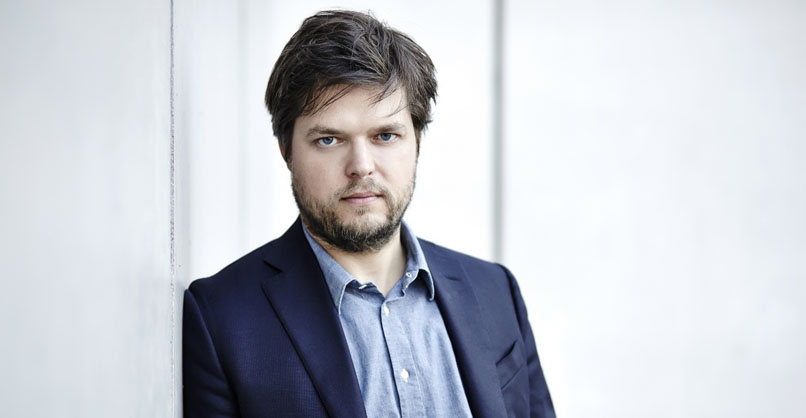
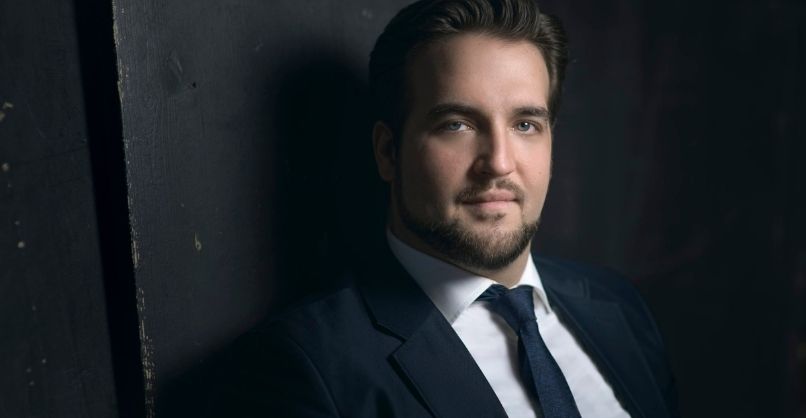
Brian Jagde (c) Simon Pauly

Leoncavallo I Pagliacci

From 13 May TO 17 May 2027
Opening date: 10 September 2026
Auditorium Parco della Musica (Sala Santa Cecilia) - Roma
From 70 €
Prices & Dates
Program

Leoncavallo : I Pagliacci

Cast
  • Conductor
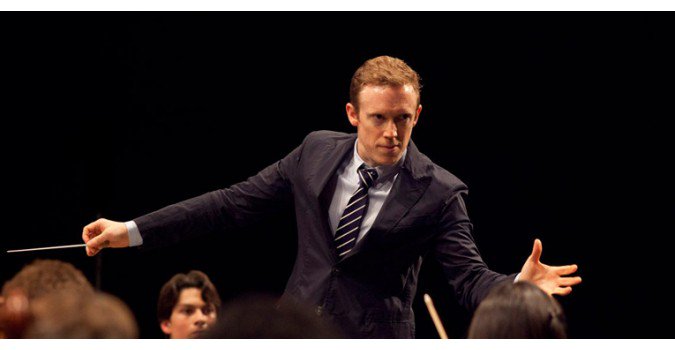
    Daniel Harding
  • Director
    Concert Version
  • Performers
    Canio (Pagliaccio): Brian Jagde
    Nedda: Carolina López Moreno
    Tonio (Taddeo): Ariunbaatar Ganbaatar
    Beppe (Arlecchino): Matteo Mezzaro
    Silvio: Mattia Olivieri
  • Venue Info
  • Seating Plan
  • Synopsis

Auditorium Parco della Musica (Sala Santa Cecilia) - Roma LocationViale Pietro de Coubertin 30 - 00196 Roma Italie

  • Venue's Capacity: 2800

Designed by architect Renzo Piano, this complex dedicated to classical music consists of three concert halls, an open-air theatre, two rehearsal rooms, a museum of musical instruments and an exhibition of archaeological remains.

From 2002 Academy of Santa Cecilia’s concerts are held in the Auditorium Parco della Musica.

The National Academy of Santa Cecilia is one of the world’s oldest music institutes. Having started as an association in Rome in 1566, it was formalized by Pope Gregory XIII in 1585 as a “congregation of musicians under the protection of the Holy Virgin and Saints Gregory and Cecilia”, and later became an academy. Admittance was strictly for master composers, organists, singers and instrumentalists having the required qualifications. The institute remains an association, members comprise 70 full academicians (italian) and 30 honorary academicians (non-italian). The President is now Bruno Cagli. Even if the institute’s objectives have changed over the years, the ultimate purpose has always been the promotion and growth of the art of music. February 2, 1895-date the inauguration of the concert hall in via dei Greci – marked the beginning of regular performances, and these were further boosted with the establishment of the Orchestra and Choir in 1908. The Santa Cecilia Orchestra was the first in Italy exclusively dedicated to the symphonic genre.


Until 1936, concerts were held at the Augusteo (a theatre later demolished by Mussolini) then at Teatro Adriano, Teatro Argentina and, since 1958, at the Auditorium in via della Conciliazione and now at  the Auditorium Parco della Musica
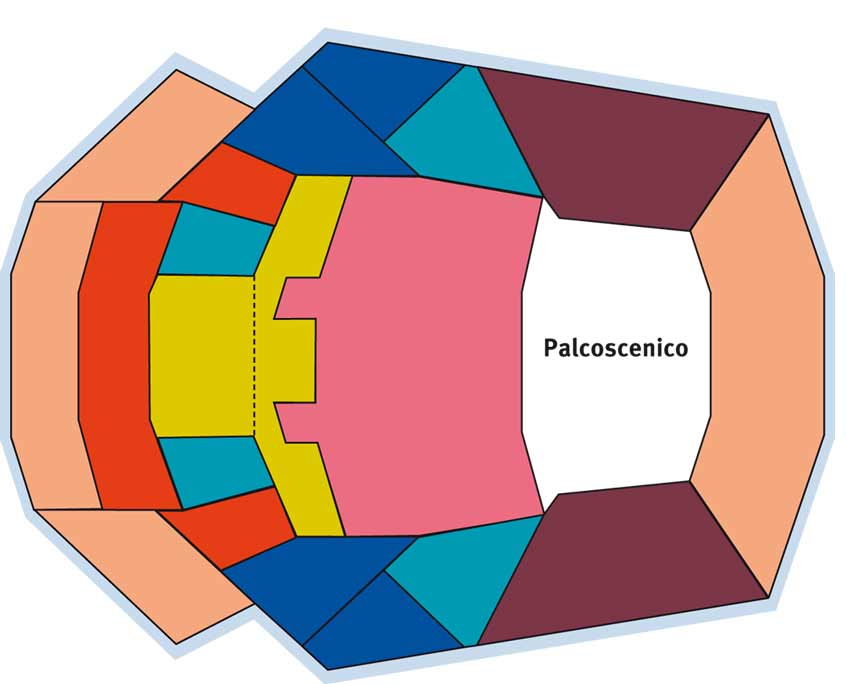
Auditorium Parco della Musica (Sala Santa Cecilia)

The seating plan is given as an indication and has no contractual value.
The division of categories may differ depending on shows and dates.

Synopsis

I Pagliacci

PAGGLIACI, A ROMANTIC ITALIAN OPERA

This Italian opera is composed of two acts and features music by Ruggero Leoncavallo. It is the only Leoncavallo opera that is still performed widely today. It premiered in Milan in 1892 and later that year it was first performed in the United Kingdom in London.

Leoncavallo claims that the plot of the opera is based on an incident that occurred during his own childhood, when one of the family servants was murdered in 1865. This murder was the result of a series of romantic entanglements involving a girl that two brothers were both infatuated with. When it was first written there were several allegations that the opera resembled other plays. However, it soon gained popularity.

The plot is a series of romantic entanglements, accusations, declarations and secrecy. It is both a comedy and a tragedy. Paggliaci became the first opera to be fully recorded in 1907. Later, in 1931, it also became the first opera to be completely filmed with sound.

It has been performed around the world and continues to be enjoyed today.

HISTORY

The opera is set in Calabria, near Montalto in southern Italy, on the Feast of the Assumption. It takes place between 1865 and 1870.

Act 1

The commedia troupe enter the village at 3pm and are met by cheering villagers who await the play. Canio says the play will begin an hour before sunset. Nedda steps from the cart and Tonio offers his hand but Canio pushes it away to help his wife down himself. Cannio and Beppe have a drink with the villagers who tease Canio that Tonio is planning an affair with his wife. Tonio declares his love for Nedda who then drives him away. Silvio and Nedda decide to elope, but Tonio tells Canio who arrives and chases Silvio. Nedda shouts after her lover 'I will always be yours' but refuses to reveal his name.

Act 2

The play begins and the plot mirrors the love triangle and affairs. Canio hears Nedda's character say 'I will always be yours' and demands she tell him her lover's name. Nedda tries to keep in character and the audience initially think it's all part of the performance. Nedda refuses to reveal the name of her lover and Canio stabs her. As she cries out Silvio's name, Canio stabs him too.

The final line of the opera is 'La Commedie e finita! - The comedy is ended!'

MAIN ROLES

Canio, head of the troupe, tenor
Nedda, Canio's wife who is in love with Silvio, soprano
Tonio, the fool, baritone
Beppe, actor, tenor
Silvio, Nedda's lover, baritone

Auditorium Parco della Musica (Sala Santa Cecilia)

You may also be interested by …