

vanaf € 90
< Revenir au détail du spectacle
Pagliacci - Leoncavallo

Teatro di San Carlo - Napoli

Choisissez la date du spectacle

Beschikbare datums worden geladen...

Uw wensen mbt de bestelling (OPTIONEEL):
(100 char. max)

Stoel locatie

Music & Opera reserveert de beste beschikbare plaatsen. de exacte plaats zal per e-mail worden bevestigd. Alleen plaatsen naast elkaar worden geboekt.Meer informatie

VRAGEN?

Neem contact met ons op via tel: +33 1 53 59 39 29 - of per e-mail) Zie Hulp & Vragen

TICKETS VERKRIJGEN

Ontvangt u electronische entreebewijzen om uit te printen afdrukken of op uw smartphone opslaan.

Prijs

De Music & Opera-prijs komt niet overeen met de nominale waarde van het ticket en bevat alle toepasselijke kosten en belastingen.

De club Music & Opera

Le Club Music & Opera
Word lid van de Club voor Profiteren van de prijzen Al lid van de Club, log in!
Pagliacci - Leoncavallo

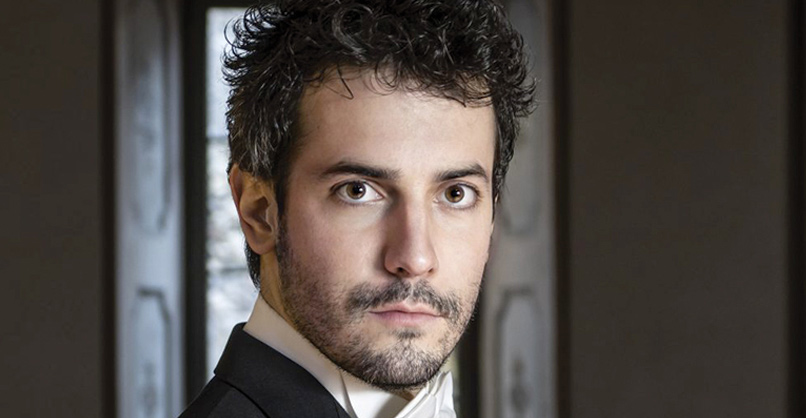
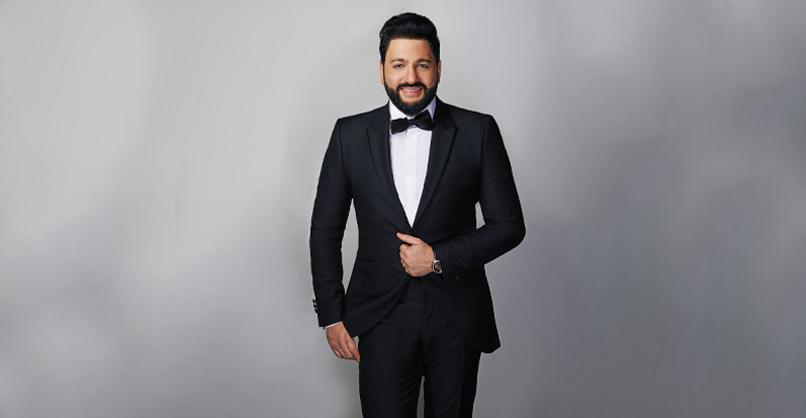
Yusif Eyvazov © Vladimir Shirokov

Leoncavallo I Pagliacci

Van 11 maart Tot 17 maart 2027
Teatro di San Carlo - Napoli
vanaf 90 €
Tarifs & Dates
Program

Leoncavallo : I Pagliacci

Cast
  • Dirigent
    Daniel Oren
  • Regisseur
    Franco Zeffirelli
  • Vertolkers
    Canio (Pagliaccio): Yusif Eyvazov
    Nedda: Karen Gardeazabal
    Tonio (Taddeo): Daniel Luis de Vicente
    Beppe (Arlecchino): Matteo Mezzaro
    Silvio: Andrea Piazza
  • Info salle
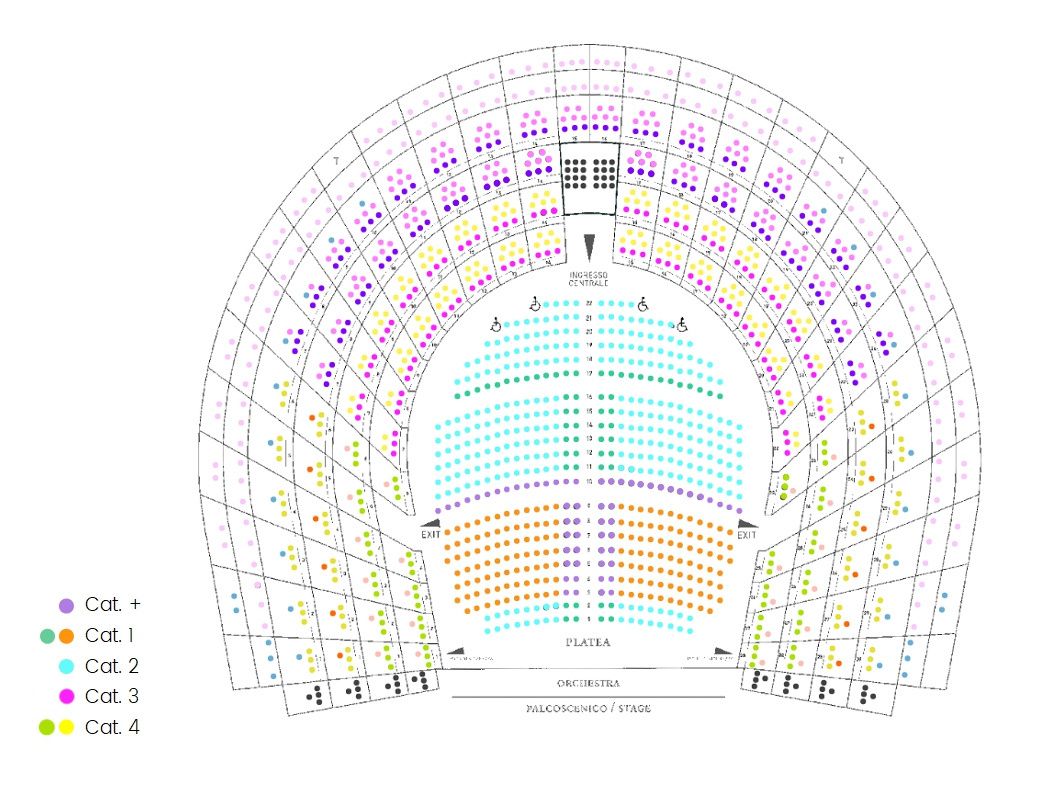
  • Plattegrond van de zaal
  • Synopsis

Teatro di San Carlo - Napoli LocationVia San Carlo, 98F - 80132 Napoli Italie

  • Capaciteit 1386

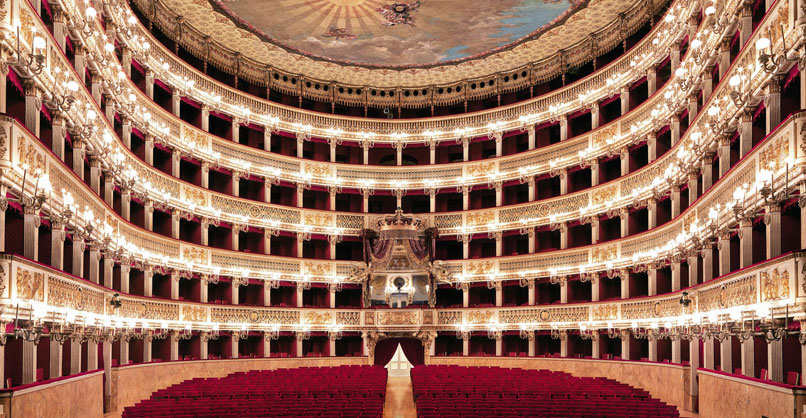
The "San Carlo" is the world's oldest opera house still in activity. Right from the start, in 1737, people came from far and wide to admire the theatre's excellent 42-musician orchestra, and to applaud the castratos trained at the Naples Conservatory (like the famous Farinelli), as well as divas known by their nicknames, "la Parruchierrina," or "la Bastarella," for example. And the house in itself, with its sumptuous architecture and no less than six stories of boxes, was no minor attraction: Stendhal was enchanted by the hall's charm, and Paul Klee was fascinated by what he described as this "superb, heavy, and obscure theatre."

In 1816, fire burned down the theatre, and Ferdinand de Bourbon reconstructed an identical building with amazing speed, for Naples, robbed of its opera house, was plunged in mourning, and threatened to not support its sovereign. Let's not forget that at that time, the reign of Domenico Barbaja (nicknamed "The Prince of Impresarios" by Alexander Dumas) had already begun brilliantly. In 1815. this Milanese ex-cafe waiter, who is often credited with the invention of whipped-cream, had had the brilliant idea of hiring Gioacchino Rossini in person as the theatre's artistic director. This exceptional LUCIA DI LAMMERMOOR for the San Carlo), while launching, in 1826, a young composer called Vincenzo Bellini. The Neapolitan stage became the place where several singers' careers were made or broken; the famous French tenor Adolphe Nourrit, for example, who considered that the applause had not been sufficient, commited suicide after a performance at the San Carlo. The composer Saverio Mercadante then won the favours of the San Carlo's notorious audience, to such an extent that Verdi at first felt ill at ease in the theatre. Only to better triumph in 1872, when he organized an entire season, and had an orchestra pit added.

During the twentieth century, the stars of the Scala have sometimes overshadowed those of the San Carlo, an historic rivalry that has always existed, in a country where music lovers must choose sides. But the Neapolitan stage defends itself by ever enriching, even to this day, the world's largest repertoire of works ever premiered in an opera house, while legendary singers, such as Beniamino Gigli (who performed in the theatre from 1915 to 1953), have always remained exceptionally faithful to the San Carlo audience, which also happens to be one of the warmest anyone could imagine.

Teatro di San Carlo

De plattegrond is indicatief en heeft geen enkele contractuele waarde.
De indeling van de categorieën kan verschillen, afhankelijk van voorstellingen en data.

Synopsis

I Pagliacci

PAGLIACCI, UN OPERA VERISTE ITALIEN


Pagliacci est un des tout premier opéra vériste italien créé par Ruggero Leoncavallo en 1892. Cet opéra se déroule en deux actes et mêle la passion, la jalousie et le drame. Tout au long de l'oeuvre, l'auteur cherche à rapprocher la fiction et la réalité sans jamais y parvenir totalement. Le tout orchestré par une musique passionnée qui relève le côté dramatique de la situation. Pendant 70 minutes, le spectateur est plongé dans le réalisme d'une tranche de vie où Canio tue son épouse et l'amant de celle-ci devant un public applaudissant. D'ailleurs, le rôle de Canio a été joué par de célèbres ténors, dont Enrico Caruso et Luciano Pavarotti.


L'HISTOIRE DE PAGLIACCI


L'opéra se déroule dans un petit village de Calabre, au début du XXème siècle, par une après-midi de 15 août, jour de l'Assomption. Un théâtre ambulant, composé de quatre batteleurs -Canio, Nedda, Tonio, Beppe - s'installe sur la place pour donner une représentation et divertir le public. -


Acte 1


Après le spectable, Tonio qui joue le bouffon, veut rester seul avec Nedda. Alors que la troupe est invitée à boire un verre avec le public, Tonio s'isole avec Nedda et lui déclare sa flamme. Il veut l'embrasser mais celle-ci le gifle. Furieux, il jure de se venger. Entre en scène Silvio, l'amant de Nedda, qui lui confirme que le soir venu, ils fuiront tous le deux. Mais Tonio, qui a tout entendu et pour se venger, s'empresse d'avertir Canio. Ce dernier arrive à temps pour entendre les dernières paroles d'amour des deux tourtereaux. Furieux, il se lance à la poursuite de Silvio sans connaître son identité. Il ne parvient pas à le rattraper. Canio est anéanti, mais le spectacle doit continuer et le soir la troupe doit donner une représentation. Faisant bonne figure, Canio, monte sur scène et laisse de côté ses états d'âmes. L'acte I se termine par Canio interprétant un des plus célèbres airs d'opéra italien "Ridi Vesti la giubba". -


Acte 2


La représentation sur scène de la troupe commence. Le public est présent et s'amuse. Canio tente de rester dans son personnage de Paillasse, mais la douleur et la jalousie prennent vite le dessus. Il se rue sur sa femme et exige qu'elle lui donne le nom de son amant. Celle-ci, jouant Colombine, tente de faire diversion en chantant. Mais voyant que son époux brandit un couteau, elle prend peur et saute de la scène pour rejoindre le public. Elle appelle Silvio à son secours. Mais, avant que celui-ci n'arrive, Canio la poignarde. Il fera subir le même sort à Silvio.


A la fin de l'Acte 2, Canio lâche son arme "Finita la Comedia".


LES ROLES PRINCIPAUX


Canio, le directeur de la troupe (ténor),

Nedda, épouse de Canio (soprano),

Tonio, le bouffon (baryton),

Beppe, jouant Arlequin (ténor),

Silvio, un villageois et amant de Nedda (baryton)

© Teatro di San Carlo

U bent mogelijk ook geïnteresseerd in…

Payez en 3 fois 30,00€ avec sans intérêt. Lees meer